
Father’s Day After Losing Your Dad: 10 Things Helping Me Through
Knowing how to navigate Father’s Day when your dad has died is uncomfortable. There’s no other way to describe it.
The emails. The adverts. The Father’s Day displays in every shop you enter. It’s an unavoidable occasion, and that’s before you’ve even opened social media.
Whatever it is, the way you tell your story online can make all the difference.
But the truth is, whether we like it or not, Father’s Day isn’t going away. It’s just another thing we have to learn to live with in this new reality of life after losing a parent.
Whether you choose to let the day pass quietly, acknowledge it in your own way, or dedicate the whole day to your dad, the decision is yours. There is no right or wrong way to do it.
As someone approaching her first Father’s Day without her dad, here are some of the things I’ve done, or plan to do, to keep his memory, and his name, alive.
Because my dad is so much more than how he died. And I want people, including myself, to feel comfortable talking about him.
Some people won’t be able to relate to this version of Father’s Day, but for those of us who can, it’s okay to do whatever feels right for you.
1. Mark the occasions
Since my dad died, I’ve found comfort in continuing to acknowledge the days that mattered.
Father’s Day.
His birthday. Christmas.
I know this isn’t right for everyone, but I don’t want those occasions to simply blend into all the others because he’s no longer here.
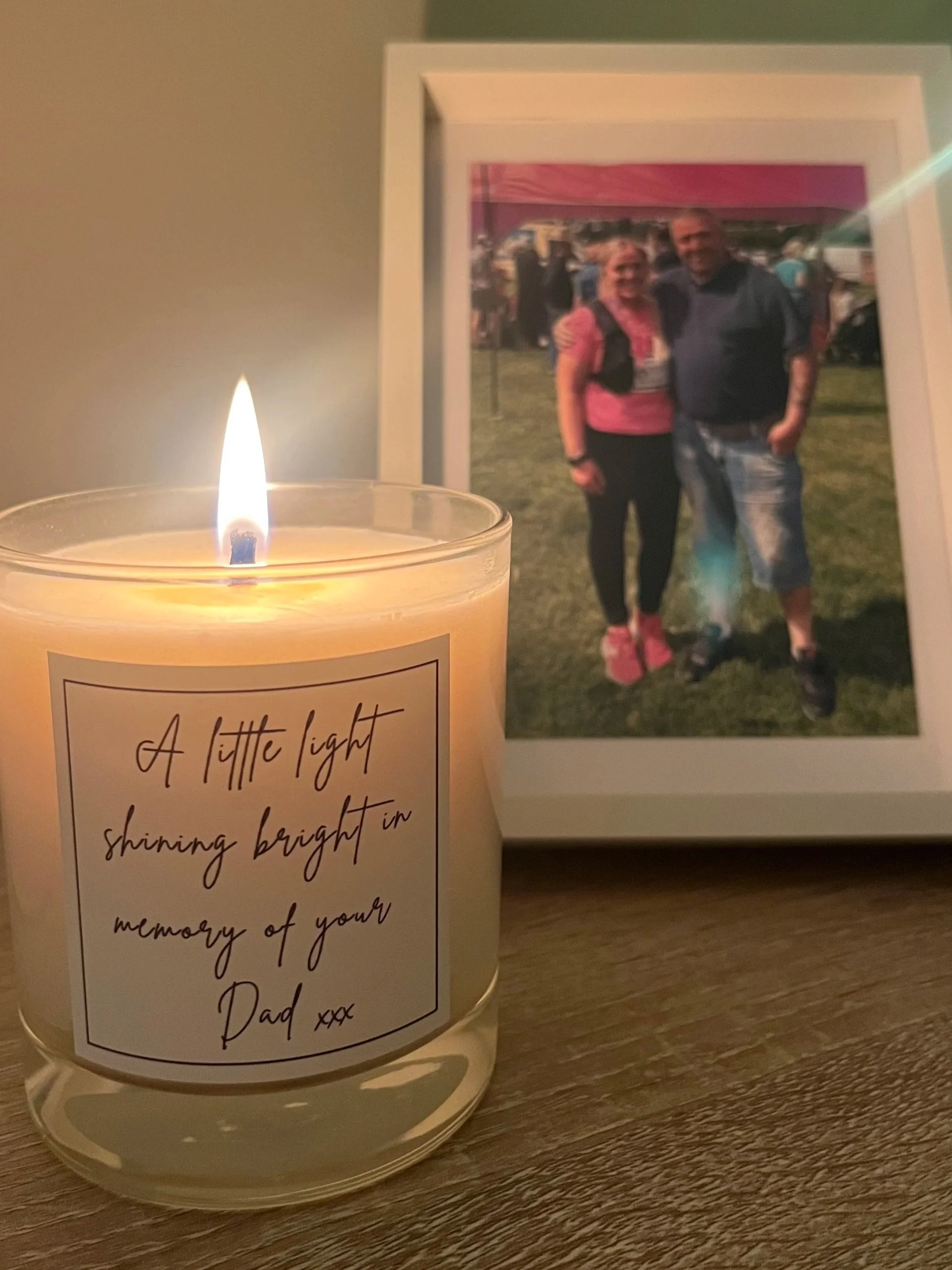
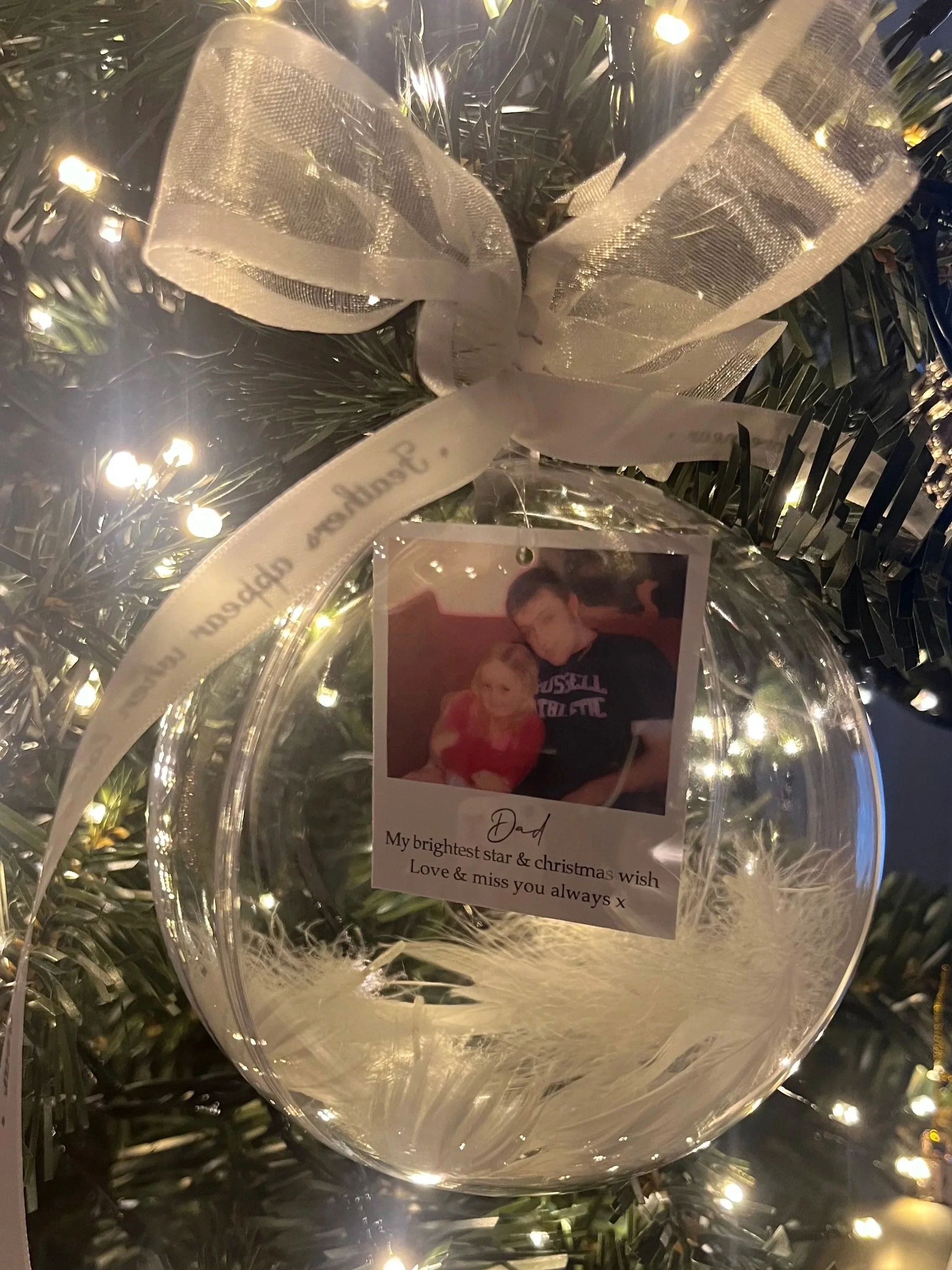
Sometimes that looks like laying flowers at his grave. Other times it’s lighting a candle on his birthday, hanging a special bauble on the Christmas tree, or doing something small that reminds me of him.
When I choose flowers, I often think about what I would have bought him if he were still here. This Father’s Day, I’ve chosen Scotland-themed flowers because I know he’d be following the football if he could.
He may not be here with us anymore, but I’d give anything for one more conversation or one more chance to watch him open a present. So, I’ll keep finding ways to celebrate him on the days that matter.
2. Create a memorial garden or special place
My dad is buried in his hometown, hours away from where I live. That distance adds another layer to the grief and the unfairness of it all.
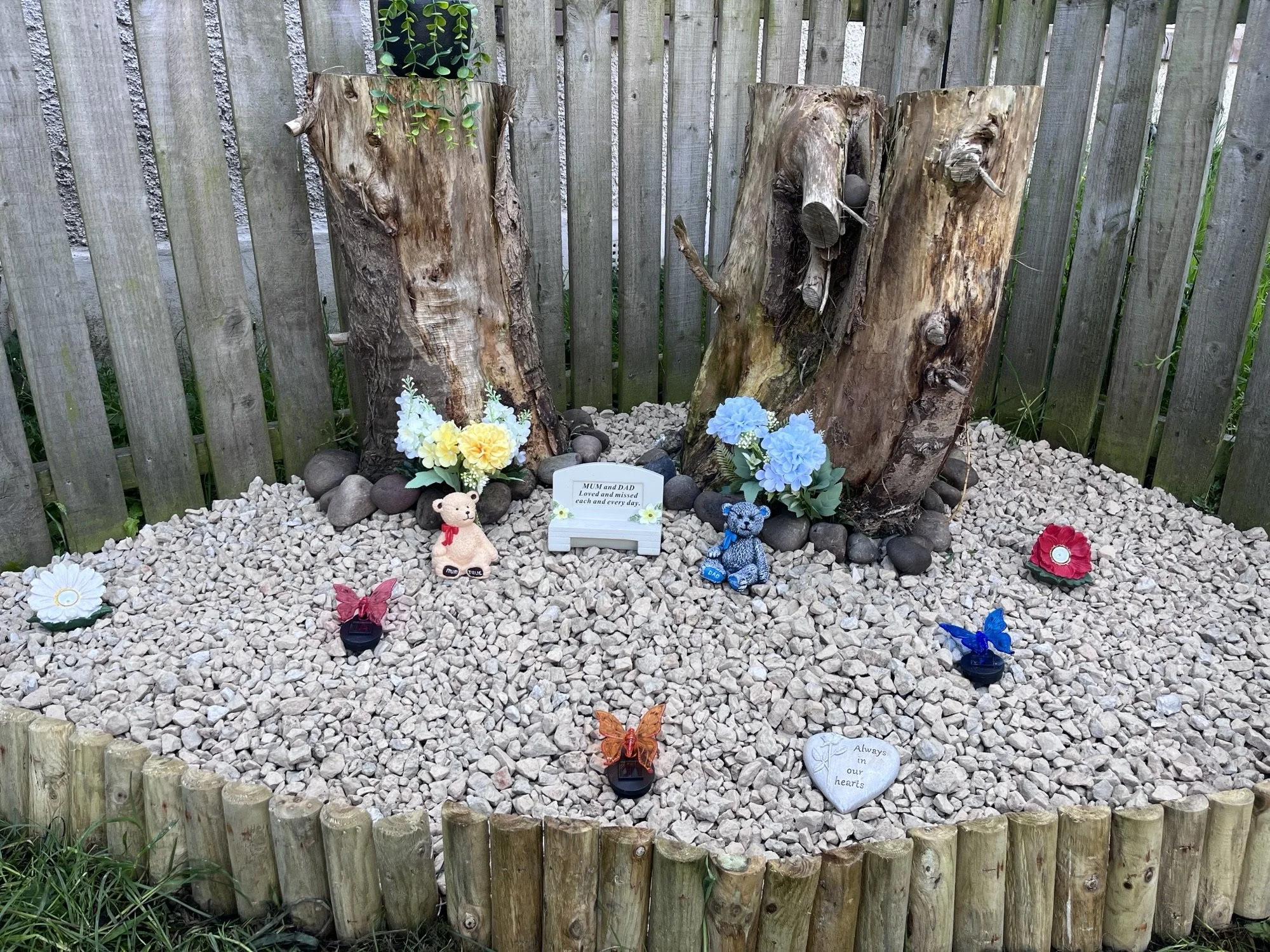
So, I created a small space in my garden dedicated to him. Somewhere I can sit, think of him, and feel a little closer to him on the harder days.
It doesn’t need to be elaborate. It could be a favourite plant, a bench, a tree, or simply a corner of your garden that feels peaceful. What matters is having a space that feels connected to them.
4. Write down your favourite memories
Grief has a way of making you feel like you’re forgetting things.
Whenever a memory or story about my dad comes back to me, I write it down in my notes. It’s surprising how much you remember when you start paying attention.
One day I’d like to share some of these stories with other people. Death is sad, but the person we lost lived a life worth remembering. We shouldn’t be afraid to talk about the happy memories too.
5. Make a photo album
Most of our memories live online now, but when my dad died, the first thing I searched for was photographs of him.
Like many dads, there weren’t as many as I would have liked.
I printed every photo I could find and put them into a dedicated album. Having something tangible to hold and look through brings me a lot of comfort.
6. Get a tattoo of their handwriting
This won’t be for everyone, and it was only my second tattoo, but it means so much to me.
Having a small piece of his handwriting with me every day feels like carrying a part of him wherever I go.
7. Create a memory bear
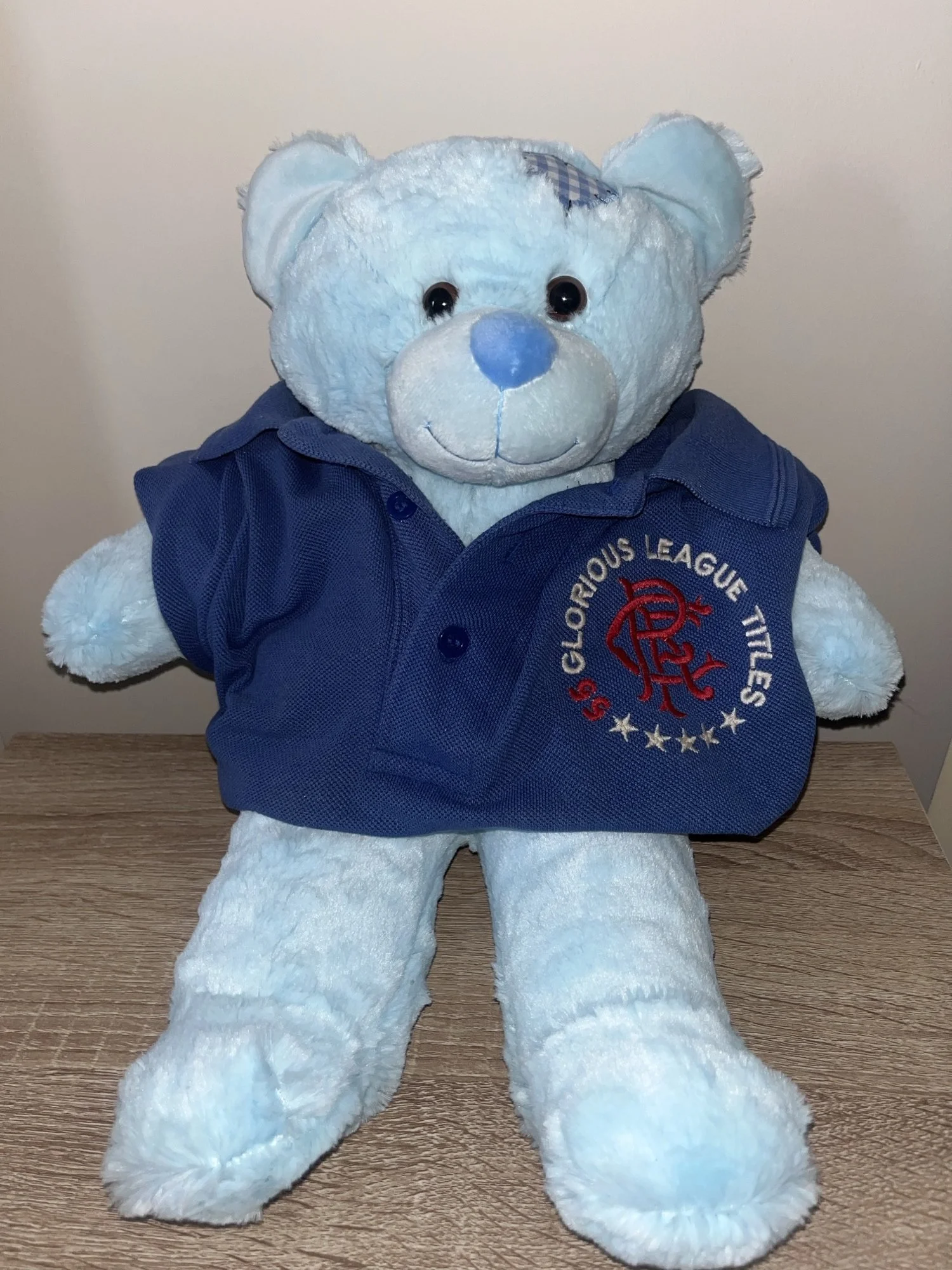
Memory bears are quite common, but I wanted something that felt comforting rather than something that simply sat on a shelf.
I had one made using one of my dad’s old shirts, and I added a recording made from voice clips I found in old videos.
Now, whenever I need to, I can hear his voice.
I also take the bear with me to special events or places I think he’d have loved. It helps me feel like a small part of him is still there with me.
8. Order a coffee in their name
This is something I haven’t done yet, but it’s something I’m looking forward to trying.
Even if I get a few strange looks, hearing a stranger casually call out his name feels oddly comforting. It’s a small reminder that his name still exists in the world.
9. Share your grief and memories
This is something I still second-guess sometimes.
I worry that I’m boring people, oversharing, or making others uncomfortable. But I find comfort in posting about my dad, whether it’s a photo, a memory, a TikTok trend, or something else entirely.
If people can’t relate, then I’m genuinely happy for them. It means they haven’t experienced this kind of loss.
But many people can relate. Grief is hard, sad, lonely and complicated. Sharing my experience reminds others they’re not alone and reminds me that I don’t have to hide this part of my life.
This is my reality. Why should I pretend otherwise?
10. Fundraise in their memory
Fundraising can feel vulnerable. You’re asking people for support, often in the form of money.
But it can also be one of the most rewarding things you do.
My dad may have died, but good can still come from his life and his memory. Every fundraiser helps keep his legacy alive and helps others in his name.
He would probably hate every minute of the attention, but I’m not okay with the fact that he’s gone forever. So, I’ll keep sharing his story, and mine, in the hope that some good comes from it.
And maybe, wherever he is, he’s looking down and smiling.
Final thoughts
If you’ve found yourself reading this because Father’s Day feels difficult, uncomfortable, unfair, or painful this year, you’re not alone.
The reality is that there is no guidebook for losing a parent. No checklist that suddenly makes these milestone days easier.
Some years you might want to spend the day talking about them. Other years you might avoid it altogether. Both are okay.
For me, these little acts of remembrance aren’t about holding on to the past or refusing to move forward. They’re about making sure my dad’s life continues to be remembered, spoken about and celebrated.