
When grieving gives you ‘that Summertime Sadness’.
Reading the Instagram post ‘Self-care for the Summer’ and going back to the ‘Grief, Summer and Comparison’ blog post on the It’s Time website, I was reminded how the sometimes warmer months get overlooked when you are grieving.
For residents of the British Isles, the weather is rarely out of conversation and we spend a good chunk of time complaining about the dank days that rule autumn and winter.
So, with blue skies returning and the opportunity to mothball our cold weather clothes, most people’s moods are lifted. I mean, how could anyone dislike or even hate a glorious sunny day, alfresco dining and maybe the excitement of flying off to somewhere with jewel seas and white hot beaches?
But, for some of us, ‘Summertime Sadness’ is a real thing.
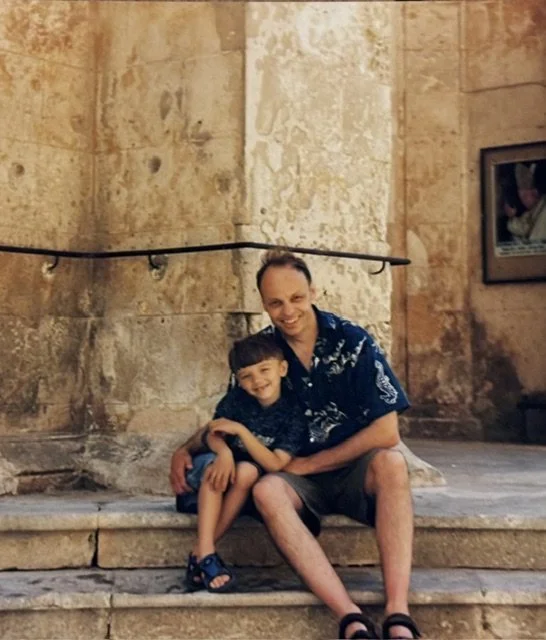
Though I can objectively appreciate how much ‘better’ summer is than winter, it is the season I have enjoyed the least, both when Dad was poorly and after his passing.
When Dad was struggling with his condition and our family life was akin to a tightrope walker spinning plates over a sea of sharks, hearing the laughter in neighbouring gardens or watching the social media posts of people I knew from school or my local town on an idyllic holiday in Greece greatly damaged my mental health.
For us, even a day out at a stately home (something that we used to enjoy as a family) was virtually impossible. Because Dad’s condition put cruel restrictions on his mobility, a journey in a hot car with the risk of delays, plus the unfamiliar and uneven grounds of stately homes meant that our plans remained as thoughts.
On the one occasion that we did visit a garden after he was diagnosed, the experience from start to finish was so fraught with tension and challenges to ensure his safety that we felt worse for going.
Although many people would say we could’ve used a wheelchair for Dad, it wouldn’t have been the right decision for him.
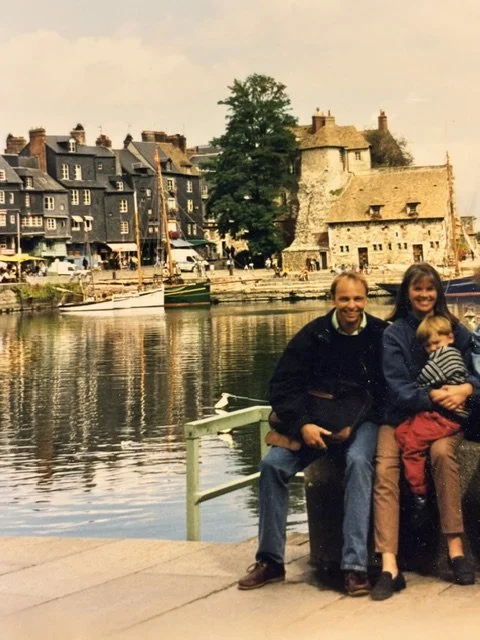
Accepting a disability is hard, especially when the person you love has lived the majority of their life with a fully-functioning body. Whilst it is safer and easier, mobility aids don’t eradicate problems for those needing to use them, even ones that are self-controlled such as scooters.
Parking, accessible walkways, accessible toilets and the able-bodied person navigating the weight of the wheelchair are just a few things that you encounter when doing things as a family with someone suffering from a condition that affects their mobility.
And on top of that, you feel obliged to enjoy yourselves and perhaps post photos on social media of the nice place for your friends to see.
If somebody says they don’t like Christmas, they tend not to be met with disbelief. Year after year, the Yuletide period has become an excuse for commercialism to invade the minds of the masses, instructing us to buy more, do more and celebrate more. Rejecting these modern values is seen as acceptable, as we migrate further away from the true meaning of Christmas.

But, if I say I don’t really like summer, people think I’m strange. There’s this huge societal misconception that because the sun is shining, we’ll be in a good mood and when it’s gloomy and raining, we are licensed to be miserable. And in relation to grief, I’m certain that more people do feel worse in the autumn and winter months.
However, there are some of us who prefer to be shielded by the darkness and watch films and read books under a blanket with the world shut out.
As the days get brighter and the temperature climbs, awareness of others living their lives and their happiness is inescapable. In the same way that one griever finds it distressing to see a son give their Dad a Christmas present, I find it hard listening to men around my Dad’s age laughing and enjoying a meal and a drink in their garden.
As a social media user, these months are a carousel of holiday pictures. Whether holidaying with their family, friends or partners, you are likely to be exposed to smiling faces in the Mediterranean whilst you walk the same streets of your local area, with your mind trying to make sense of the situation you’re in.
I’m aware that social media is a highlight reel and one family friend assured us that the smiles you see don’t tell the whole story. Nevertheless, making memories with your loved ones on holiday linger in your mind longer than receiving a present on Christmas Day.
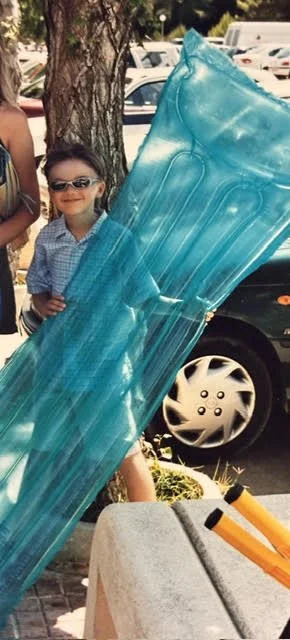
Before Dad passed away, I criticised myself for feeling envy at those fortunate enough to go on holiday and worry only if they’d packed their passport. But, like it’s natural for someone to feel angry at someone’s Instagram-worthy family Christmas, it’s also natural to feel envious of someone in a restaurant overlooking the sea on a picturesque Greek island.
For years prior to Dad’s official diagnosis, his condition was impacting his day-to-day life, so we weren’t able to properly enjoy the few holidays we did go on. As a result of this, I lost a lot of confidence and still deal with travel anxiety today.
As well as having to cope with unwelcome feelings, you also know that if you were on holiday somewhere beautiful, there would be someone missing and you might want to get on the next flight home.
So, what choices do you have? Though lots of people might advocate getting off social media, I don’t always feel that’s the best option. Even with accounts muted, blocked or making the decision to come off it, the back of your mind can still gnaw at you with the knowledge that there are others doing things. Also, I use Instagram for more than seeing others high points, so why should I stop using it for the things I like to look at?
If you do go out for a day trip or go on holiday this summer, I hope you enjoy it as much as you can. When you get home and want to post about it, go ahead, but this year, I might test out something new.
Rather than adding your photos to your story or creating a post, what about only sending them to those you really want to share them with, via a group chat or individual messages?
That way, you sidestep the unspoken oneupmanship of who’s been where this year, whilst sharing something with those you value most.