Sam’s story
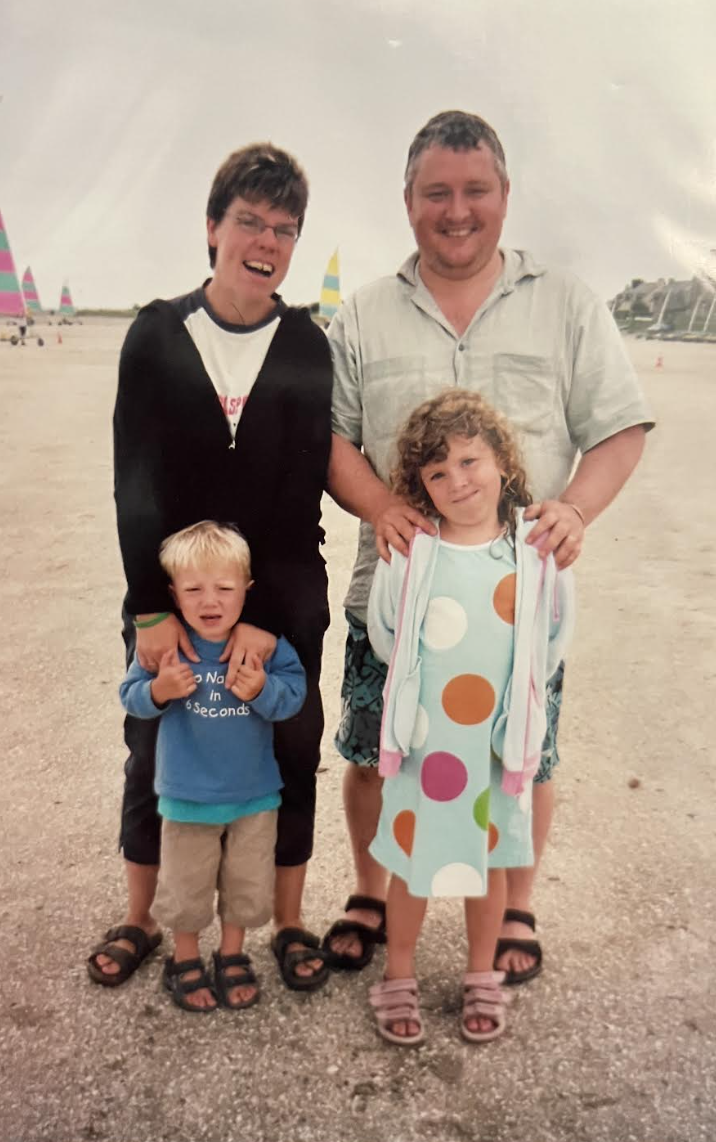
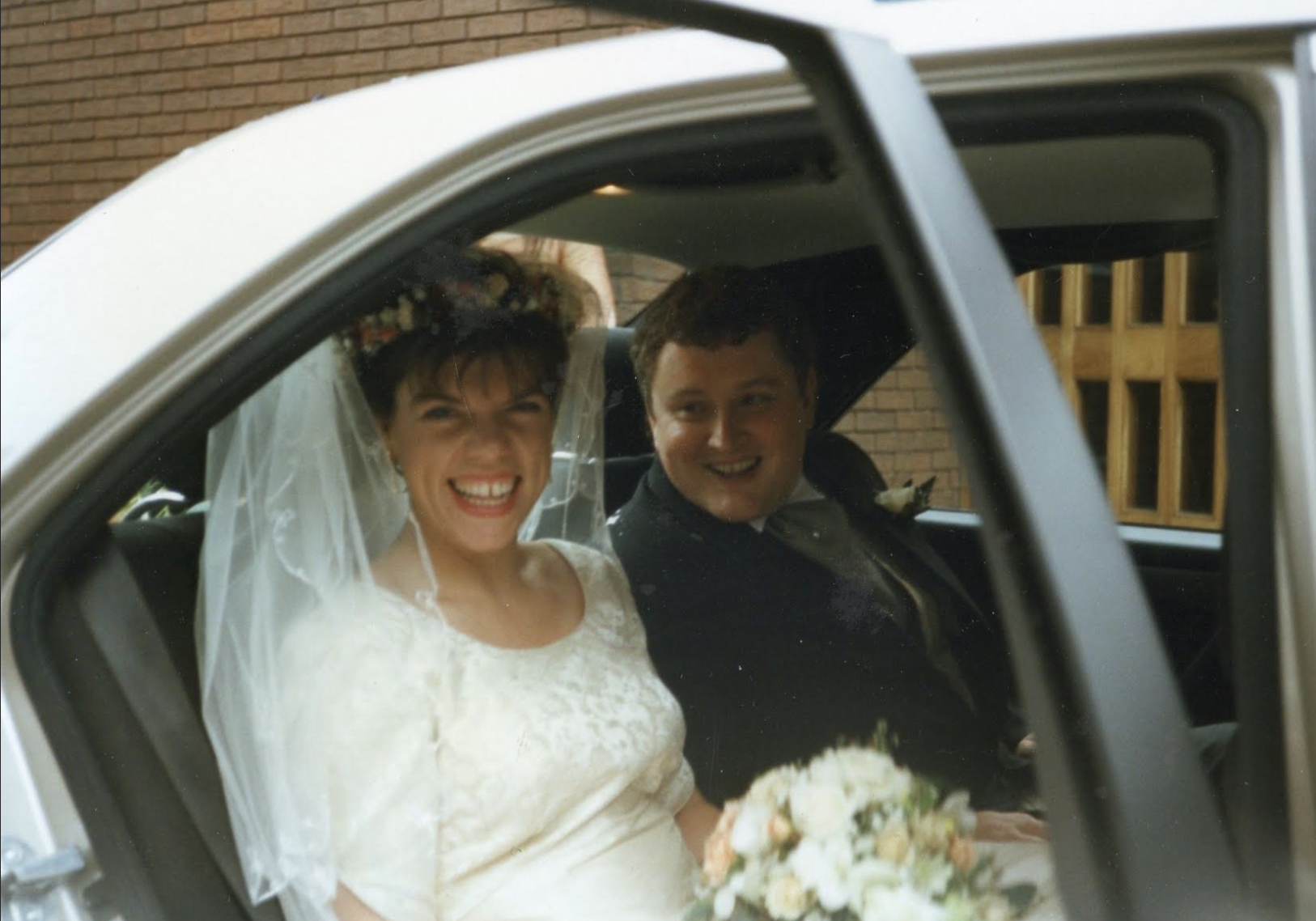
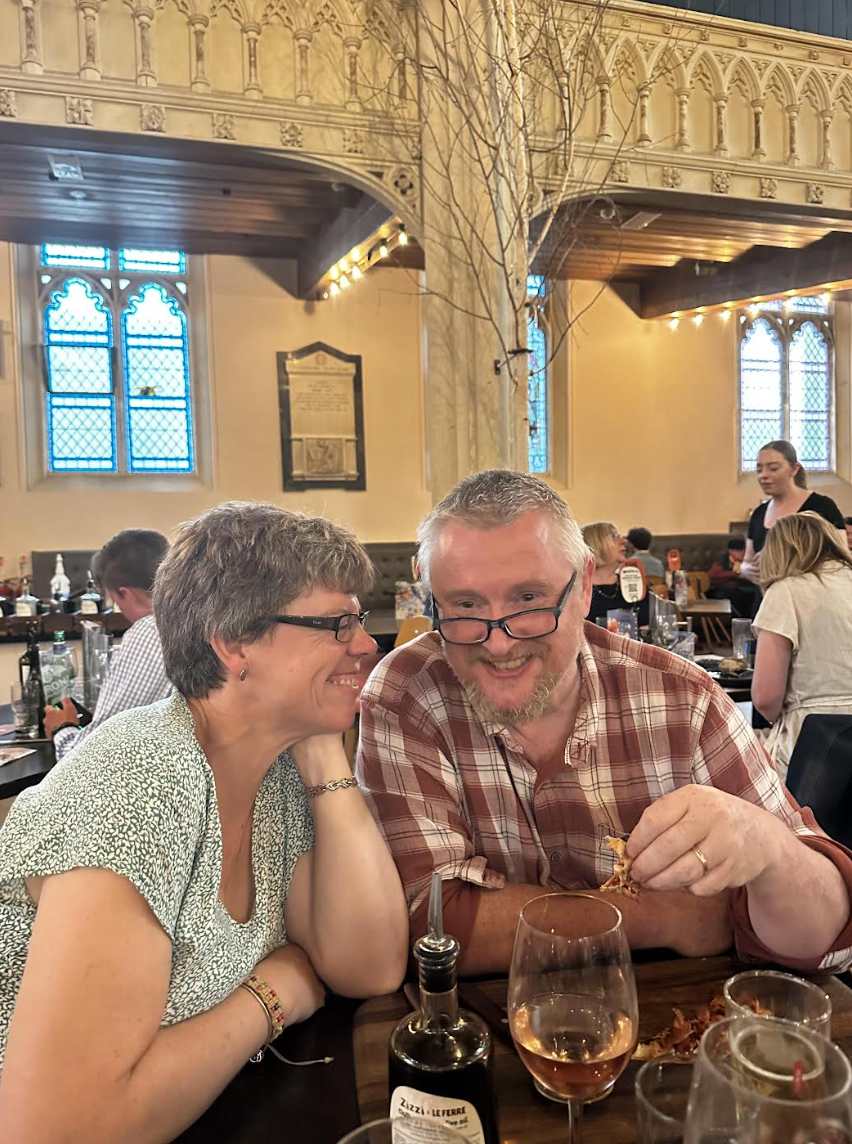
My name's Sam Jackson, I am currently 25 years old and lost both of my parents during the final-year of my undergraduate degree when I was 21.
Following a stint working abroad, my dad and sister drove down to collect my mam from the airport. On their way back home, they were involved in a road traffic collision, killing both my parents and seriously injuring my sister. I was at home with my girlfriend waiting to surprise my mam when the collision happened. My mum, Nerys, was 57. My dad, John, 60.
I was fortunate to see my dad when I arrived home from Sheffield the night before the crash, we had a bit of a catch-up and he'd asked me to do the 'finishing touches' around the house before they arrived the next morning. In contrast, I hadn't seen my mum in over three months since she left on her stint to teach abroad.
Although this had not been the first experience of mortality and grief for either myself or my sister, this was our first experience of such a sudden loss. To me, sudden loss is unique because the boundary between life and death is so well defined, and the resulting impact is equally stark.
One moment I was sat on the sofa, assuming my sisters location was stationary on an A-road in the West Midlands because they were stuck in traffic, the next I am being told that both of my parents are dead and that my sister is seriously injured in hospital and her condition could not be confirmed.
The reality of what had happened hadn't truly hit me until I arrived at Queen Elizabeth Hospital Birmingham. I vividly remember walking into my sisters A&E cubicle seeing her covered in shards of windscreen glass and grazes, with her blood covered and cut up clothes in a bag nearby. This was one of the first moments when everything felt painfully real. I describe it as "one of the first" as the same feeling has resurfaced at various points over the last three years.
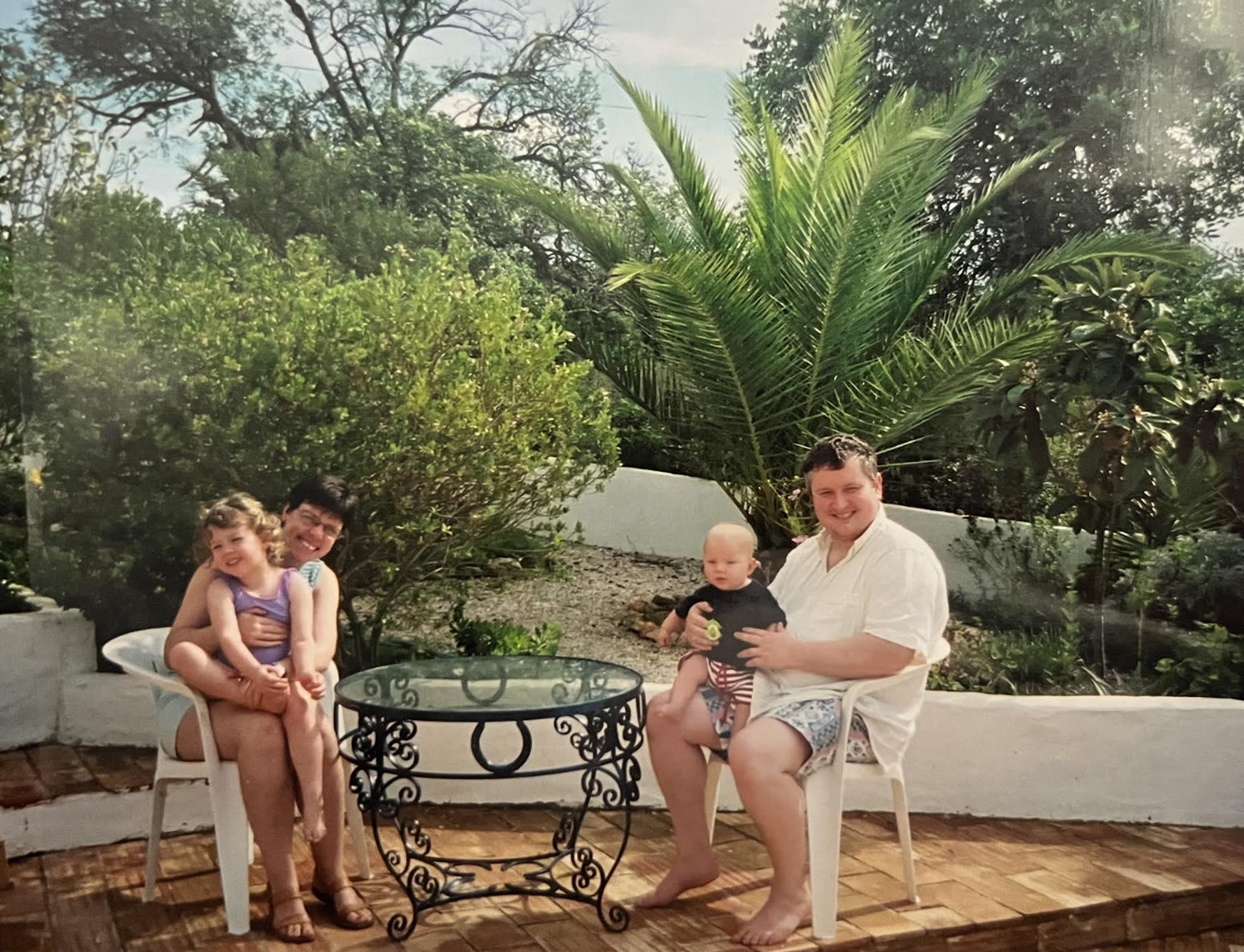
Possibly in an effort to regain some degree of control in my life, I decided to take a lot of responsibility following my parents' deaths. From helping break the news with our family liaison officer in an A&E side-room, to organising funeral arrangements and orders of service, and managing my father's estate. Unsurprisingly, I decided to take a period of absence from university to give myself time to grieve and begin navigating the mountain of tasks that followed their deaths.
I returned to university the following academic year to complete the modules I had not finished before the crash. Fuelled not only by a desire to make my parents proud, but also by a determination to ensure that my leave of absence did not feel like a setback in my career, my final-year grades were the strongest across my degree.
Graduation was an interesting day. On one hand, I felt elated as it felt like an opportunity to move on from what had happened. On the other, it was another reminder of what I had lost. Although I was surrounded by family and friends throughout the day, I cannot express how much I wished I could have had my parents in my graduation photographs. Over a year on, this still hurts.
Since graduating I have been fortunate to be able to dedicate some of my achievements and awards to my parents, allowing them to be recognised for everything they did for me and to remain part of my journey in life.
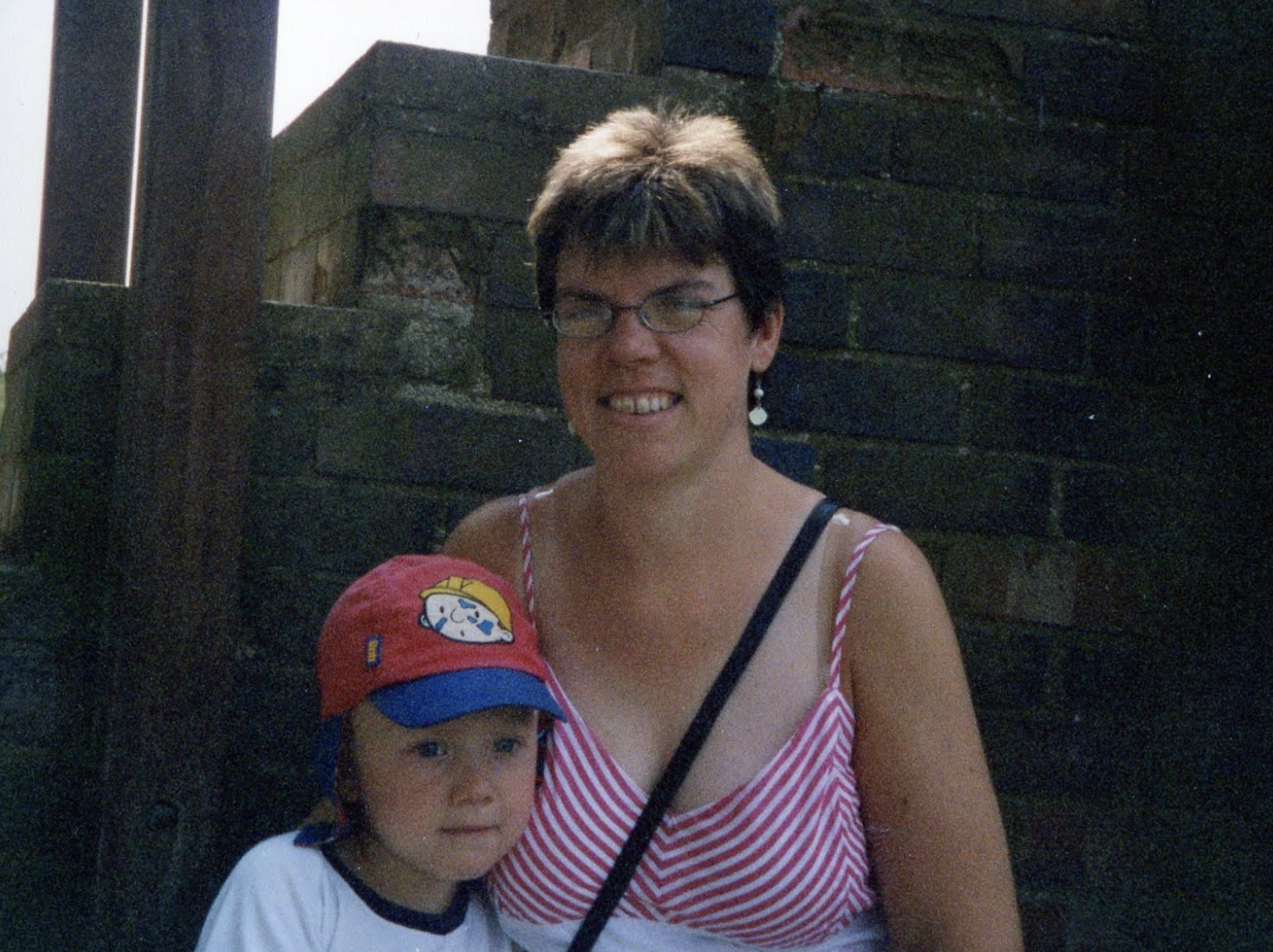
One of the most difficult aspects of losing my parents has been in adapting to a life that I never expected to have, and grieving the future version of myself that I had imagined growing up with them present. While I have experienced some milestones since they have died, accepting that they will be physically absent from the milestones still to come is challenging.
Without my parents, I would not be the person I am today. Seemingly effortlessly, they guided me through difficult stages in my life whilst also letting me make mistakes when necessary.
It hurts not having their guidance anymore, and I wish they were still only a phone call away. However, I am thankful for the independence and resilience they instilled in us from a young age, qualities which have carried us through this ordeal.
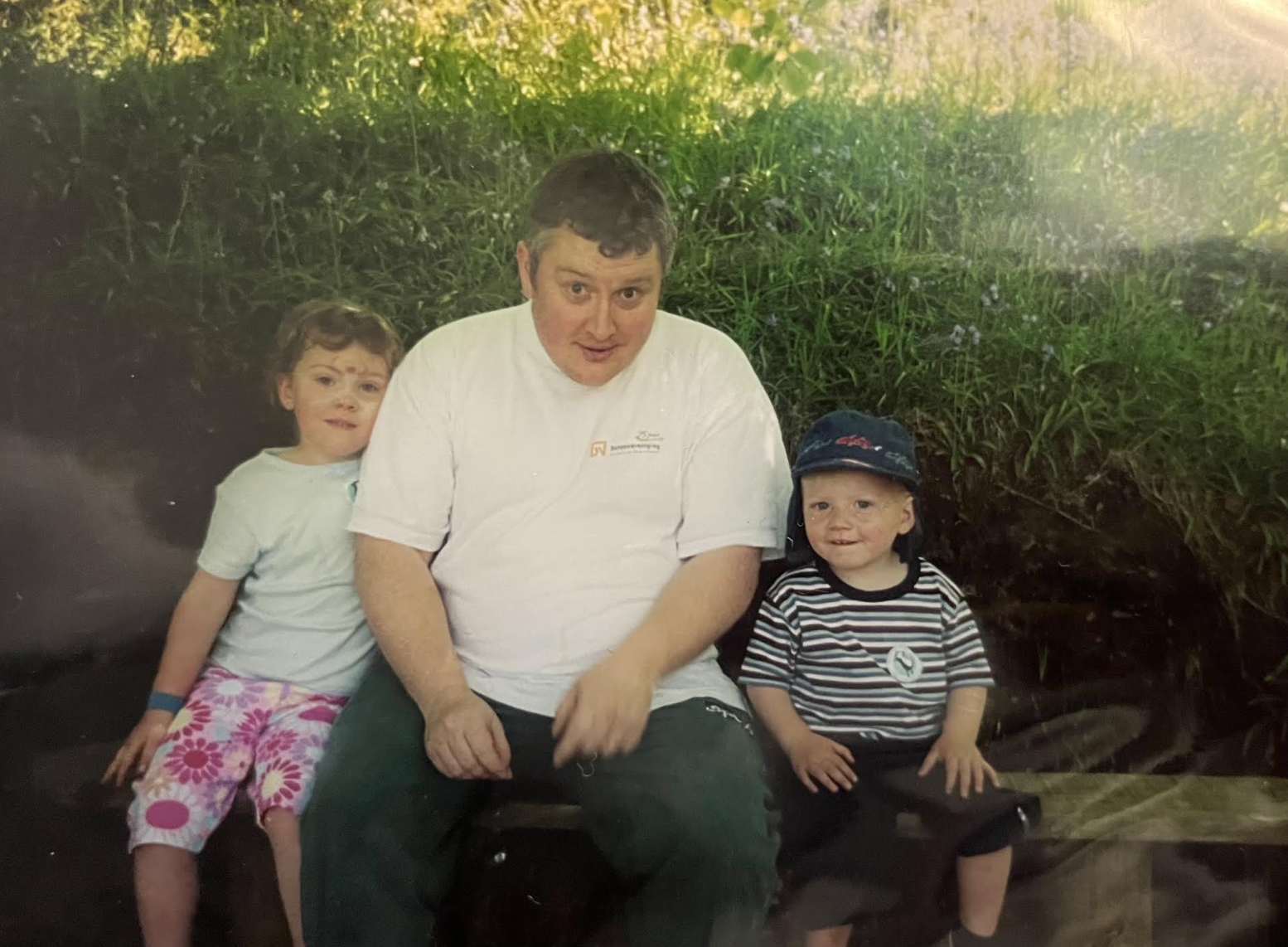
I struggle to describe my experience with grief, as it is very much a continuous process that I am still navigating. Some days are better than others. Some memories make me cry, others make me smile. And that is simply the way it is.
If there is anything grief has taught me, it is that it is an entirely personal and unique process for everyone. Take myself and my sister as an example; despite both losing the same parents, we are working through grief entirely differently because of our individual circumstances and life experiences.
Objectively, losing a parent is shit, regardless of how they died, let alone losing both parents. It is a loss that fundamentally changes your life and your sense of self. For that reason, having some form of support network is crucial. This may come from family and friends, or from connecting with people who have experienced a similar loss through charities like It's Time. I have been incredibly fortunate to have my sister alongside me during this process, but I have also relied on the support of many others while navigating grief. In my view, you can never have too many shoulders to cry on.
Ultimately, losing a parent changes the way you view life, relationships, the future, but also the past. While I would give anything to have my parents back, I am truly grateful for the person they helped me become and the people who have helped me continue on in life without them.