
My Dad, Andy - Jack’s story
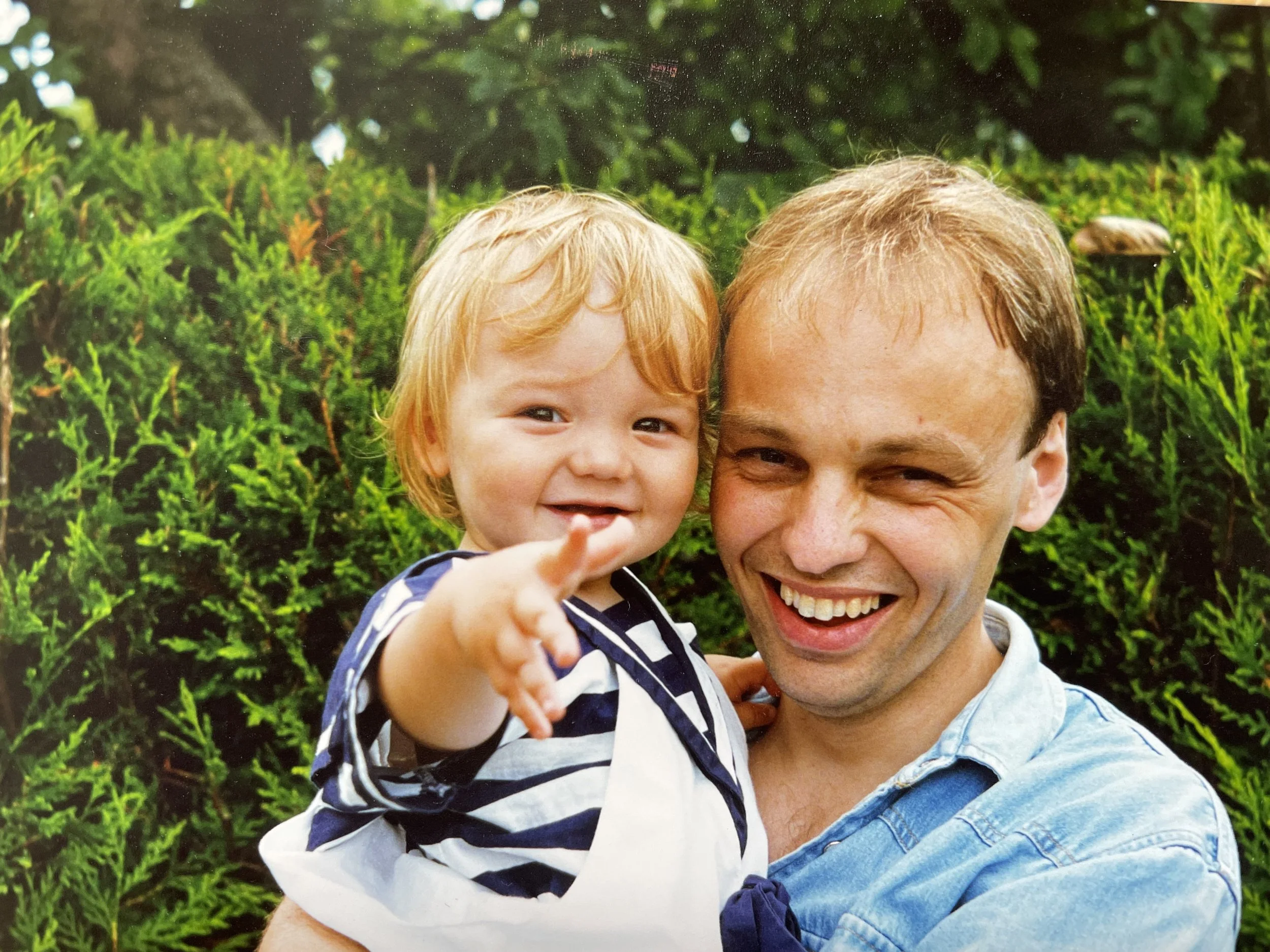
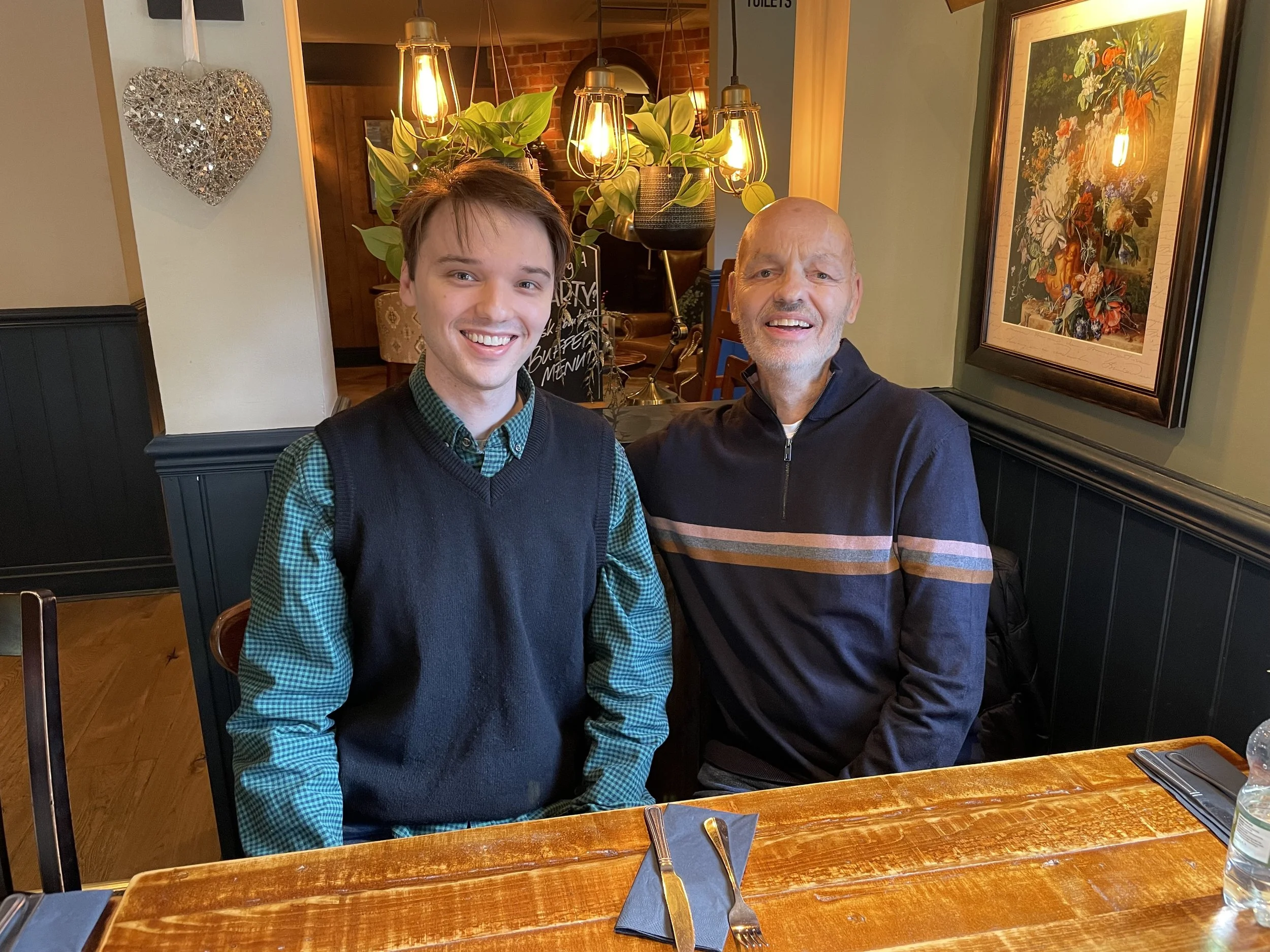
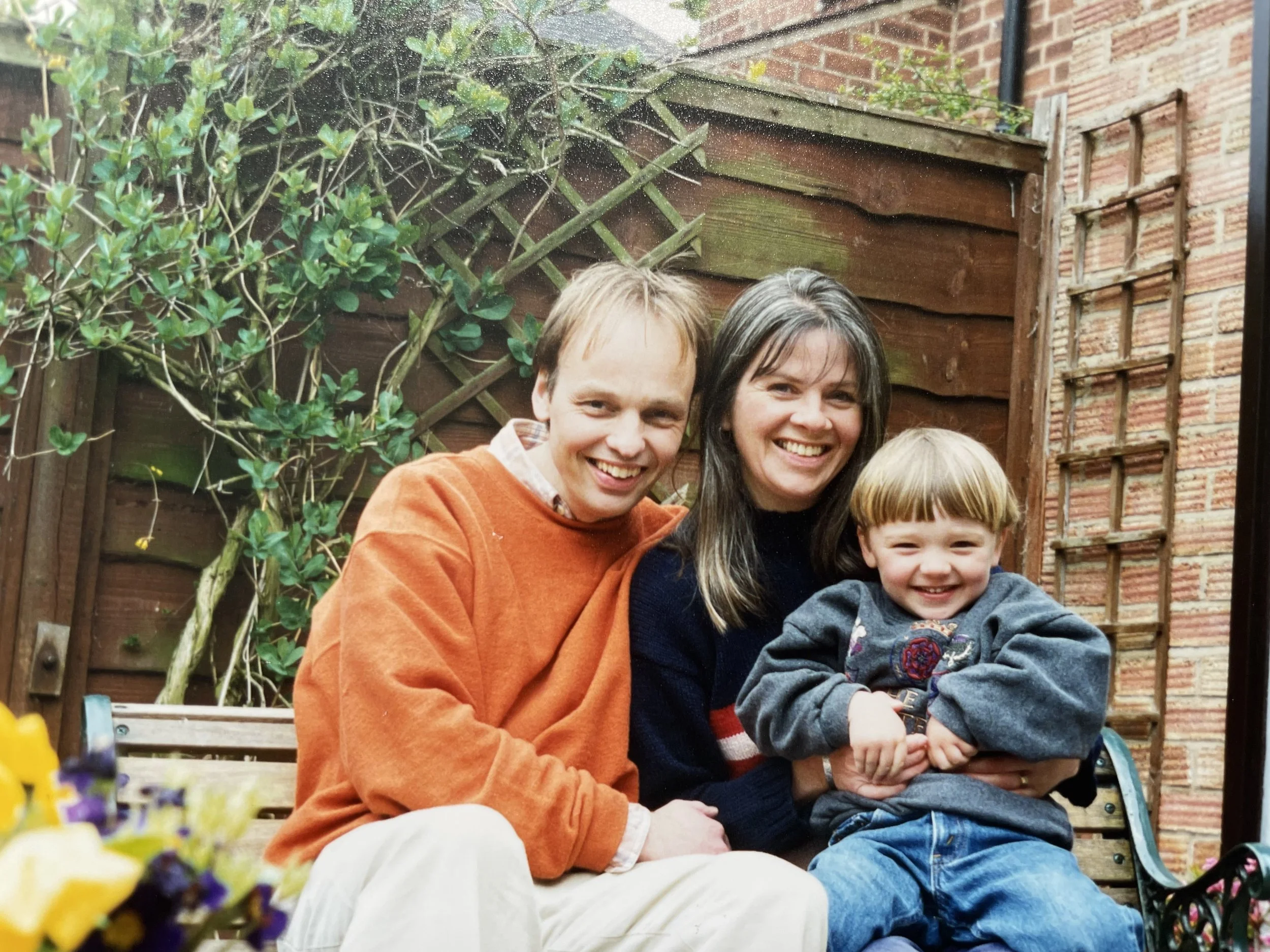
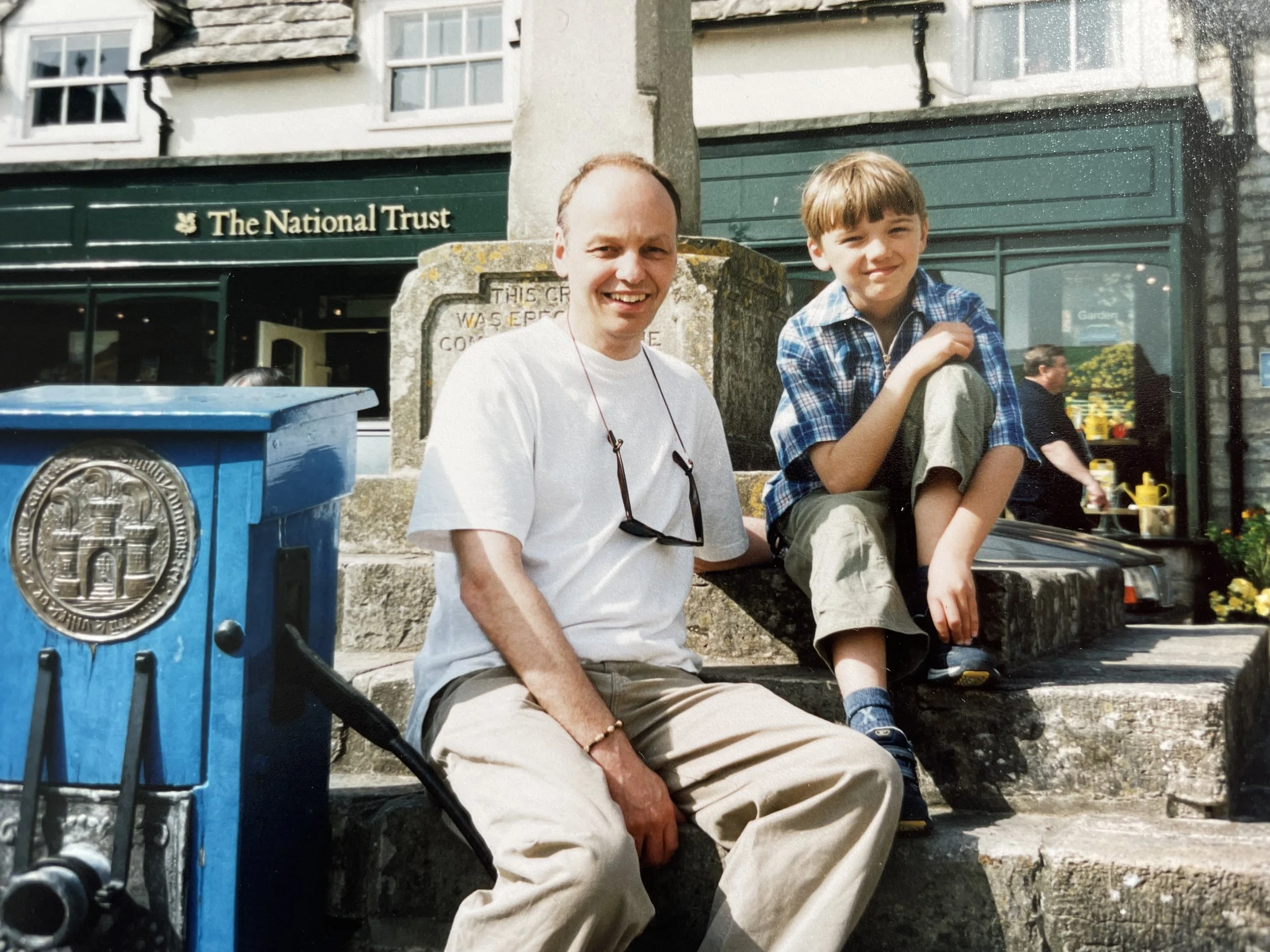
Hi, I’m Jack, 32, and I lost my Dad, Andy, in early December 2024, a few months after his 67th birthday.
In September 2022 (the day the Queen died to be exact), he was diagnosed with a rare form of Muscular Dystrophy, a slowly progressing, muscle-wasting condition.
Prior to his diagnosis, a combination of Covid delays and day-to-day life meant that the symptoms he was experiencing weren’t given a name.
On the other side of his passing, my mum and I recognise that the condition had been living with us for many more years than we knew.
Writing down that my Dad died from a muscle-wasting condition is still, and I think always will be, an intensely difficult thing to say.
Rightly so, when we think about loss in terms of well-known conditions such as cancer or heart disease, people’s reactions are how you’d anticipate them to be.
The imagery connected to obscure neuromuscular or neurological conditions can have the tumbleweed effect with listeners: having to visualise someone living in a body that gradually doesn’t do the things it was made for and that person being powerless to stop it is uncomfortable to think about.
When researching how to deal with our grief, I came across a Marie Curie webpage about grieving a loved one who had suffered from a long-term illness or incurable diagnosis. They referred to this as “trauma in slow motion”, which succinctly puts how my mum and I feel about the circumstances surrounding my Dad dying.
If someone has been ill for a longer period of time, outsiders may perceive the blow to be softened. It’s not.
Something I find difficult to move past is that his condition had been living inside him for decades, stealthily taking things away.
For several years before he was diagnosed, he had dexterity problems, something he put down to using computers daily for most of his working life. Unable to pinch a coin to pick it up at the supermarket, he thought it was RSI or a bit of arthritis. Gait changes were also a symptom that manifested slowly.
On New Year’s Eve 2019 at 2am, my mum and I were wrenched from our sleep by a chilling, weighty thud. Leaping out of our beds, we found Dad at the bottom of our wooden stairs, with blood pouring from his head.
Getting up to get a glass of water, he hadn’t turned the light on and had fallen backwards coming back up. The ambulance came and he was taken to Major Head Trauma at a nearby hospital. He had an emergency CT scan and all they found was a bit of arthritis at the top of his spine. Miraculously, he hadn’t even broken a fingernail.
Shaken but relieved, he was discharged and we all thought it was a nightmarish blip that we’d been blessed to escape from.
Then, the pandemic came. Between 2020 and mid 2021, he only had one other admission to hospital, when he lost his footing on the stairs in old slippers. Once again, he left hospital without any injuries.
On New Year’s Eve 2021, Mum heard him fall again, this time in the back yard. Rushing to him, we found the top of his finger had sliced off, exposing the bones beneath.
Panicking, we called 999 for help and a first responder came out and advised us to take him to A&E. Whilst he was there, a nurse noticed his gait and queried if he’d got Parkinson’s. She told him to make an appointment with his GP and if he didn’t, she’d phone for him. That was when our world and life as a small family unit really began to shrink.
From then until he passed away, I began an obsession with Googling symptoms for neurological conditions. Eventually, I knew more about his condition than Google, reading everything from the NHS website to scientific studies full of medical jargon.
I’ve always said giving a condition a name means very little; it’s the symptoms and what they do to the person that matters.
As he started to struggle more, he gave up driving and my mum and I became his full-time carers.
I have and will always have admiration for the innumerable people who are unpaid carers for the young, middle-aged, disabled and elderly. Personally, I found there was little to no reward caring for someone as they lost their independence, their happiness and sometimes their dignity.
I never resented washing and dressing Dad every morning, taking him to the toilet day and night, being his legs to walk from the car to a hospital appointment because his balance had gone, modifying his diet to avoid aspiration or making sure he was safe if Mum needed me to help her with the shopping. It was what those things represented that hurt me the most.
Lots of people would assume that the physical demands of caring are the worst part of being a carer. However, my mum and I found that our emotional state suffered far more than our bodies.
When caring for a loved one becomes your world, you’re unable to detach from it. You have to be resourceful and adapt at the click of a finger.
From the beginning of 2024, Dad was hospitalised frequently. Each time he was discharged, there was nothing sinister on his notes, just lethargy and low sodium. On two particularly frightening occasions, he was unresponsive for what seemed longer than it probably was.
As the latter part of 2024 came in, it felt like we had a season ticket for the ambulance service. Once, we walked into his ward and were shocked to find him with a nebuliser on, because he’d caught a chest infection in hospital, meaning he had to stay in longer. Every time he was in, my mum and I travelled the hour and a half combined drive and walk to see him every day, running on scant energy and adrenaline.
The real hell started one Sunday night before my mum and I were about to go to bed. Dad had been recently been re-admitted to another hospital for a UTI that hadn’t been cleared up on a previous admission and we were told by doctors that afternoon everything was going in the right direction.
At around 10:45pm, we were called to say he’d been taken into Intensive Care; he’d been found unresponsive in the ward with breathing difficulties. We dashed to the hospital whilst most of the world was empty and asleep. Arriving, we were put into a family room and it wasn’t until around 3amthat we got to see him.
He was sedated and intubated. A myriad of machines bleeped around him and wires were travelling in and out of his body, keeping him alive. Sometimes I saw his eyelids flicker and wondered if he could hear our voices.
He was then transferred to a larger Intensive Care unit at a neighbouring hospital where he stayed for two days until he was discharged onto a general medical ward. Unfortunately, Dad didn’t receive the proper care and compassion he should’ve done on that ward and neither did my mum and I. We weren’t clearly informed that he had been put onto Palliative Care, or that he was nearing the end of his life, despite me asking them outright.
Visiting him the Wednesday before he died, Mum collapsed in the lift from exhaustion and walking into the side room where he was, I felt like a stake had punctured every part of me. He’d had no appetite for a few months and his ability to swallow had become very poor since Intensive Care. His legs were mainly his skin covering his shin bone, an image that will live with me forever.
I fought to get him transferred to a community hospital in our hometown, because he was so dehydrated and malnourished and I felt it was irresponsible of the hospital to discharge him back into our care. In hindsight, if I’d have known he was dying at that point, I’d have tried to get him into a hospice and out of the hospital.
On the Sunday at 3:20am, we were woken by the phone ringing. I answered and was told he’d passed away ten minutes before. We drove straight to the hospital and stood outside in the rain until we were taken to him.
As abnormal as it sounds, walking into my Dad’s lifeless body wasn’t as hard as some of the times when we’d gone to visit him at the bigger hospitals. I wonder if that’s because the fear of the unknown no longer existed. An unexpected sight as you turn the corner into his ward bay was now impossible.
The ward where he passed away was so silent and there was a strange serenity in the room, with the dingy yellow strip light above his bed and us stroking his arm until any warmth left his body.
Something that Mum finds hard to deal with is that we weren’t with him when he passed away and as time has gone on, I’m finding it harder, too. To begin with, the thought of being there when he took his final breath and his heart beat for one last time was tough for me.
I haven’t cried a great deal since he’s died and I spend time berating myself for it. If you’d have asked me how a person should grieve the loss of their Dad, I’d have said unending tears and shutting down their life. But, I haven’t and don’t want to do either of those things.
I hate the thought that I was too composed during the time before he died and that parts of me hardened to all the bad news we were delivered. I am a crier and a sensitive person, so my lack of tears feels very alien.
My future frightens me and being an only child seems to put that under the microscope even more. After someone close dies, it makes you realise who you need to value in your life and that you don’t get to live the life you’d think you’d have.
Knowing he won’t be here to see anything I do with my life, grow old with Mum or enjoy the retirement he worked so hard for is devastating.
My attitude towards life in general hasn’t changed: I’m no more likely to travel solo or swim the channel than I would’ve been two years ago. I can’t undo how witnessing the fragility of life has moulded me as a person.
For all the strength that ruthless condition took from my Dad, he was strong in so many ways and cared for us until the end. I hope that I can be as patient and as strong as he was.
For anyone going through a difficult time in their life/grieving and they feel lost and hopeless, I’d say that the only way out is through and if bad times haven’t made you stronger, it doesn’t matter. You’re human and dealing with the hardships that life has dealt you is so challenging. If you can, try to shut out or reduce the noise of modern life.
One day, you might be hurt, but the hurt will feel different. You have coped with so much before and carrying on is a way of honouring the loss of your parent, because you are made up of them and that’s something no amount of sadness can take away.
Jack.