
Luke’s story
My name is Luke Alfano. I lost my dad (Angelo) at 21 years old during my final year of university to a short battle with cancer. At the time I had no idea how much that would shape the next few years of my life.
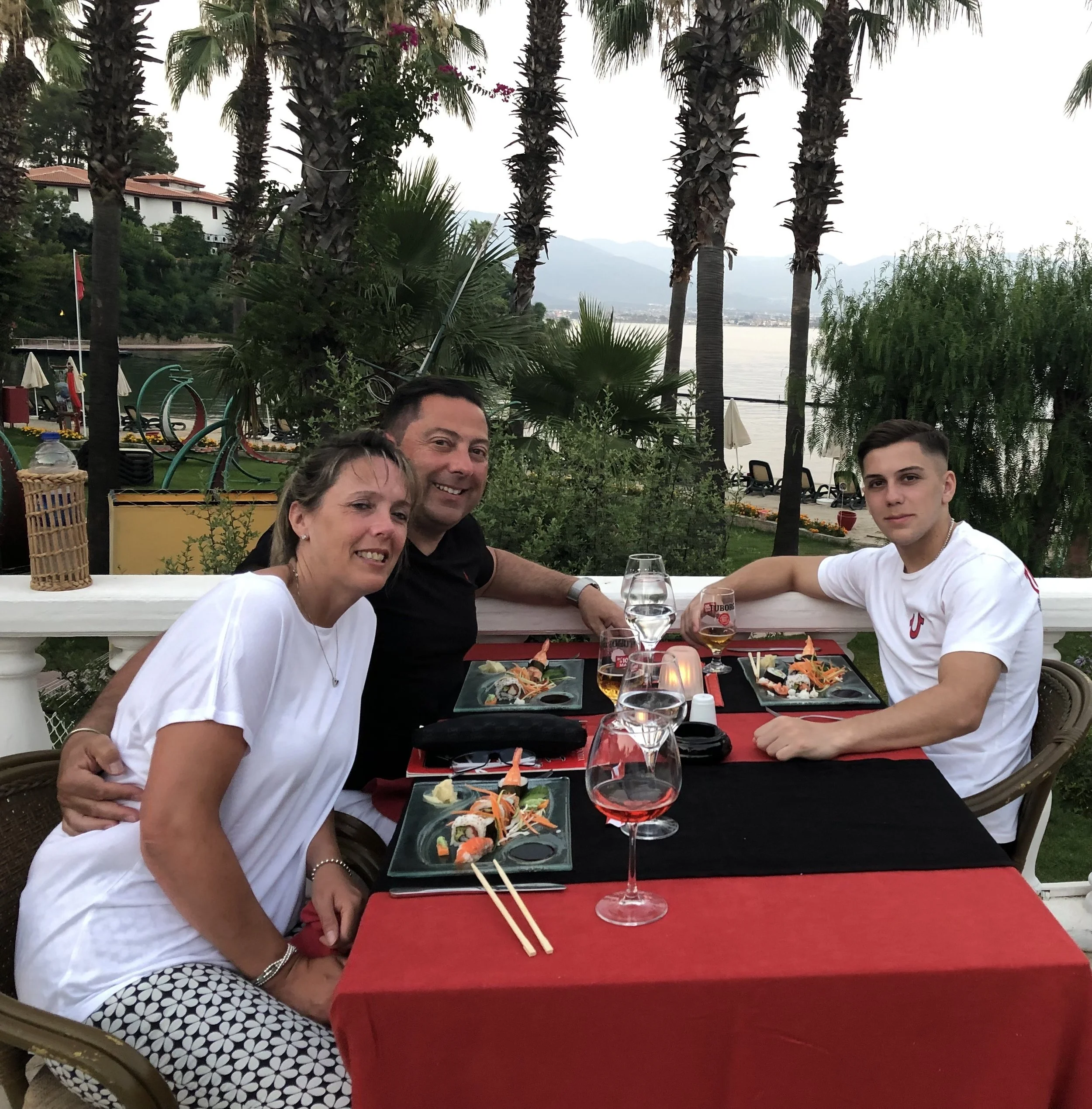
My dad was my best mate to be honest. We did a lot together and he was one of my biggest supporters, especially when it came to my football. He was also the person who made me feel safe without needing to say much. My dad had this way of making people feel calm just by being around him. He didn’t need to be the loudest in the room or give big speeches — he just made you feel safe, steady, like things would work themselves out.
People trusted him. They relaxed around him. And when he listened, you felt properly heard. That’s something I still carry with me.
One of my favourite memories was just before he passed away. I scored a hattrick in the FA Cup and ran over to him to give him a hug, to celebrate the last goal. I never usually did that, but honestly how glad I was I did it then - he loved that.
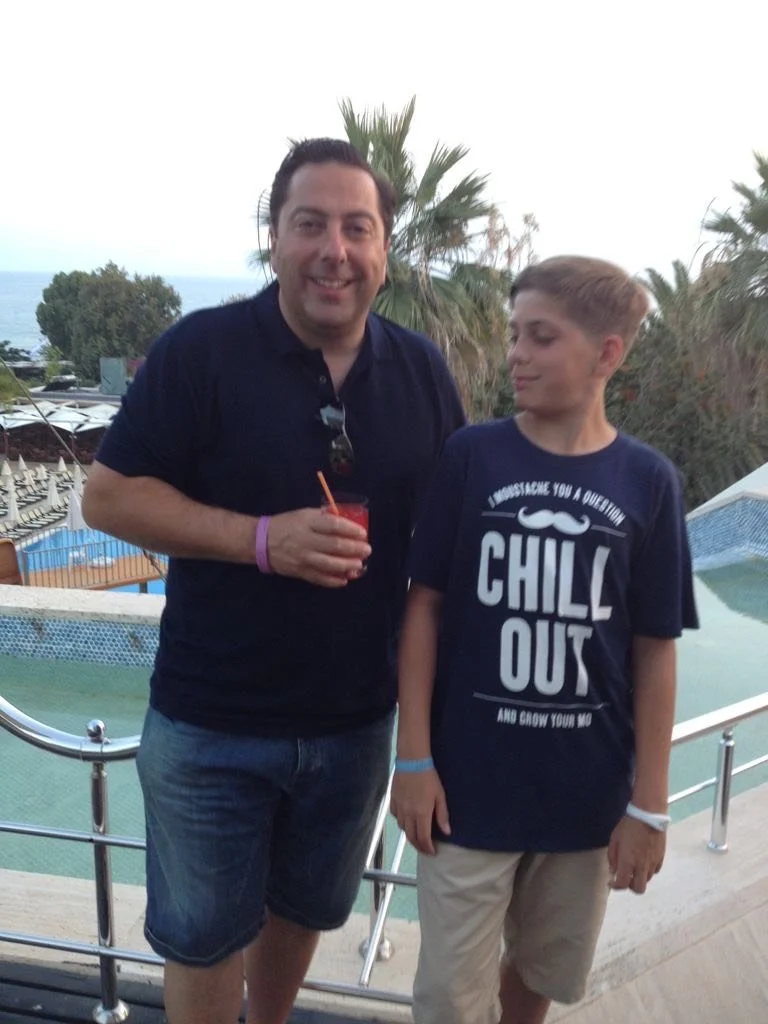
When he passed, the world didn’t explode for me, it just went very quiet and confusing. I carried on, kept myself busy, kept achieving, kept “doing well”, but underneath it all something felt off. I didn’t have language for it at the time. I just knew I wasn’t the same.
At the start, I didn’t think I was grieving “properly”. I wasn’t crying all the time. I wasn’t falling apart. So I assumed I was fine.
What I didn’t realise was that grief doesn’t always show up as sadness — sometimes it shows up as numbness, restlessness, overworking, or constantly chasing the next thing so you don’t have to sit still with your thoughts.
Over time, grief has changed shape. I have actually addressed the grief and felt it rather than running from it. It hasn’t gone away, but it’s definitely softened. I’ve learned that missing someone years later doesn’t mean you’re going backwards. It just means you loved very deeply.
My friends helped in ways they probably don’t even realise. Not by having the perfect words, but just by staying with me through my lowest point. By letting me be quiet. By not rushing me to “move on”. And for that i'm eternally grateful to each and every one of them.
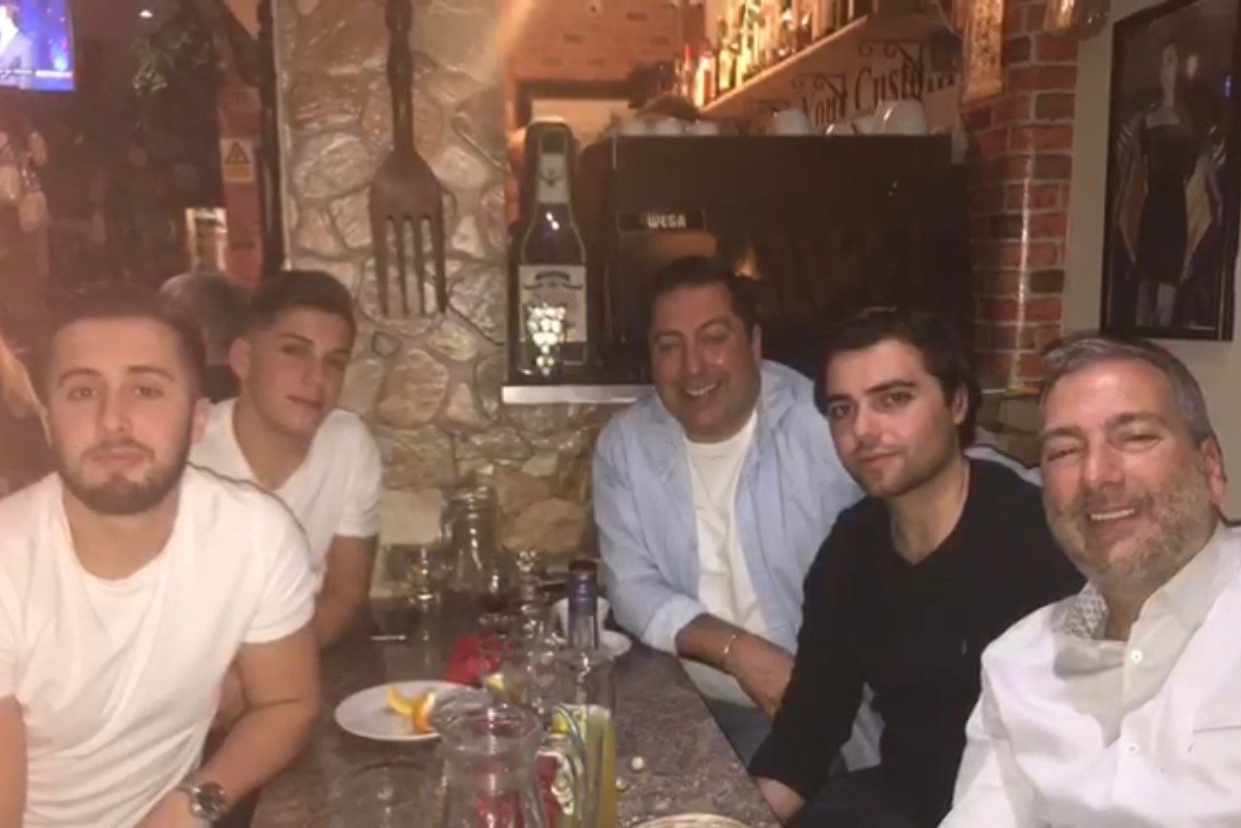
Creating my community tooyoungtogrieve has probably been the most healing thing I’ve done. It came from a place of realising how lonely grief can feel, especially when you’re young and everyone else’s life seems to be moving forward. Sharing my story, and hearing others say “me too”, reminded me that grief doesn’t make you broken — it makes you human. And we're all better off surrounded by others who get it. That community feeling helps us feel less isolated and heal together.

If I could say one thing, it would be this: there is no right way to grieve, and there is no timeline you’re failing to follow.
You don’t have to be strong all the time. You don’t have to explain your grief in a way that makes others comfortable. And you don’t have to have it all figured out.
Talk when you can. Write when you can’t. Rest when the world feels too loud. And please know that the version of you that exists after loss isn’t weaker. It’s deeper. And that version can be strong in ways you never imagined.
You’re not behind. You’re not doing it wrong. And you don’t have to carry this alone. Keep going, you're gonna be okay.