Finding My People After Losing My Dad
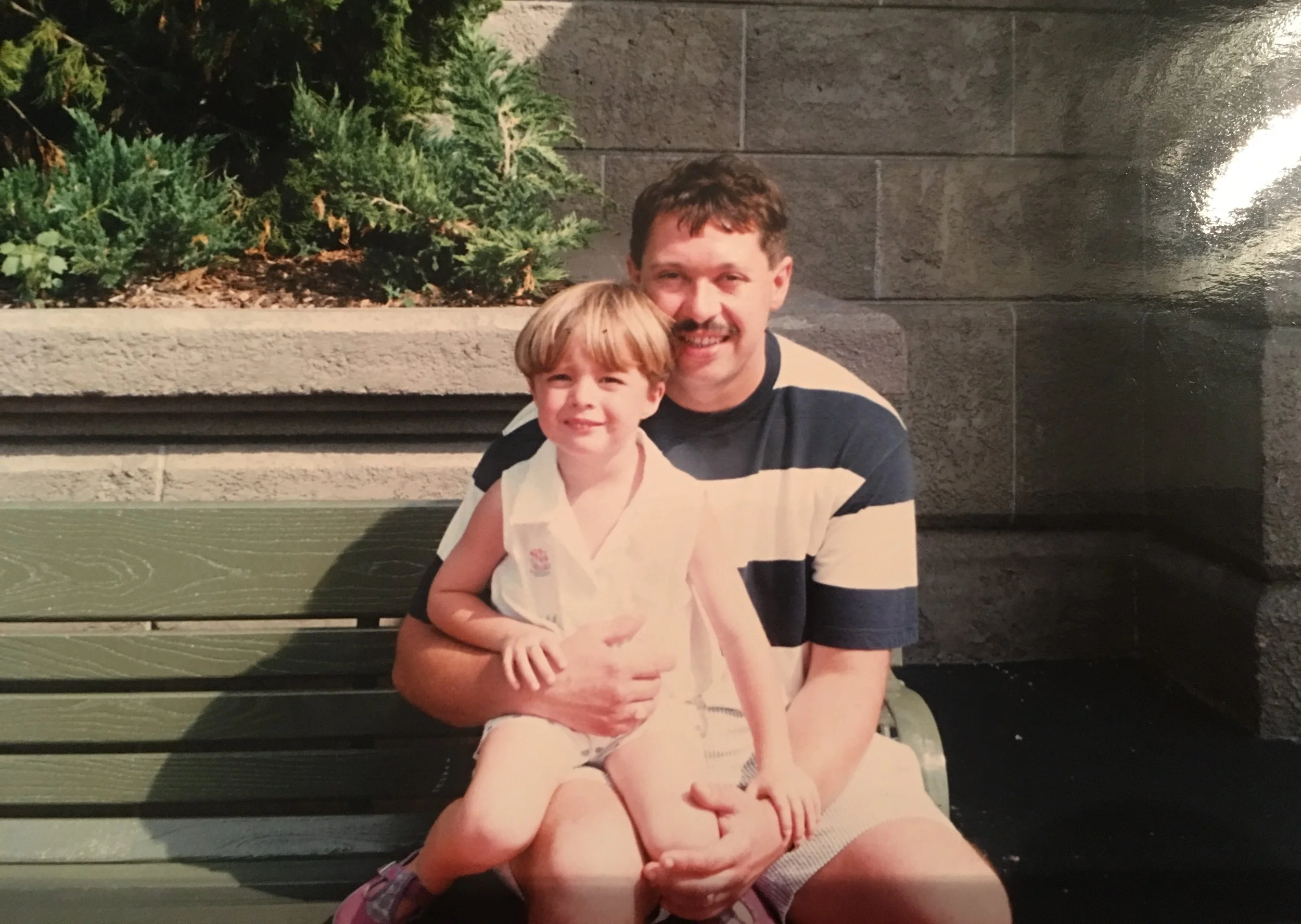
Next month will mark seven years since my dad died, and in many ways, I still can’t believe it happened. I was 29 when he died suddenly — fit, healthy, and just 54 years old. He’d had a heart attack, but we thought he was recovering. He was in hospital, talking, smiling. I kissed him goodnight and told him I’d see him in the morning. That was the last time I ever saw him alive.
Forty-five minutes after leaving the hospital, the phone rang. “You need to come back. We’re trying to keep him alive.”
We raced there, but it was already too late. The trauma of that night is something I still carry. The silence in the hospital. The “family room.” The shock of it all.
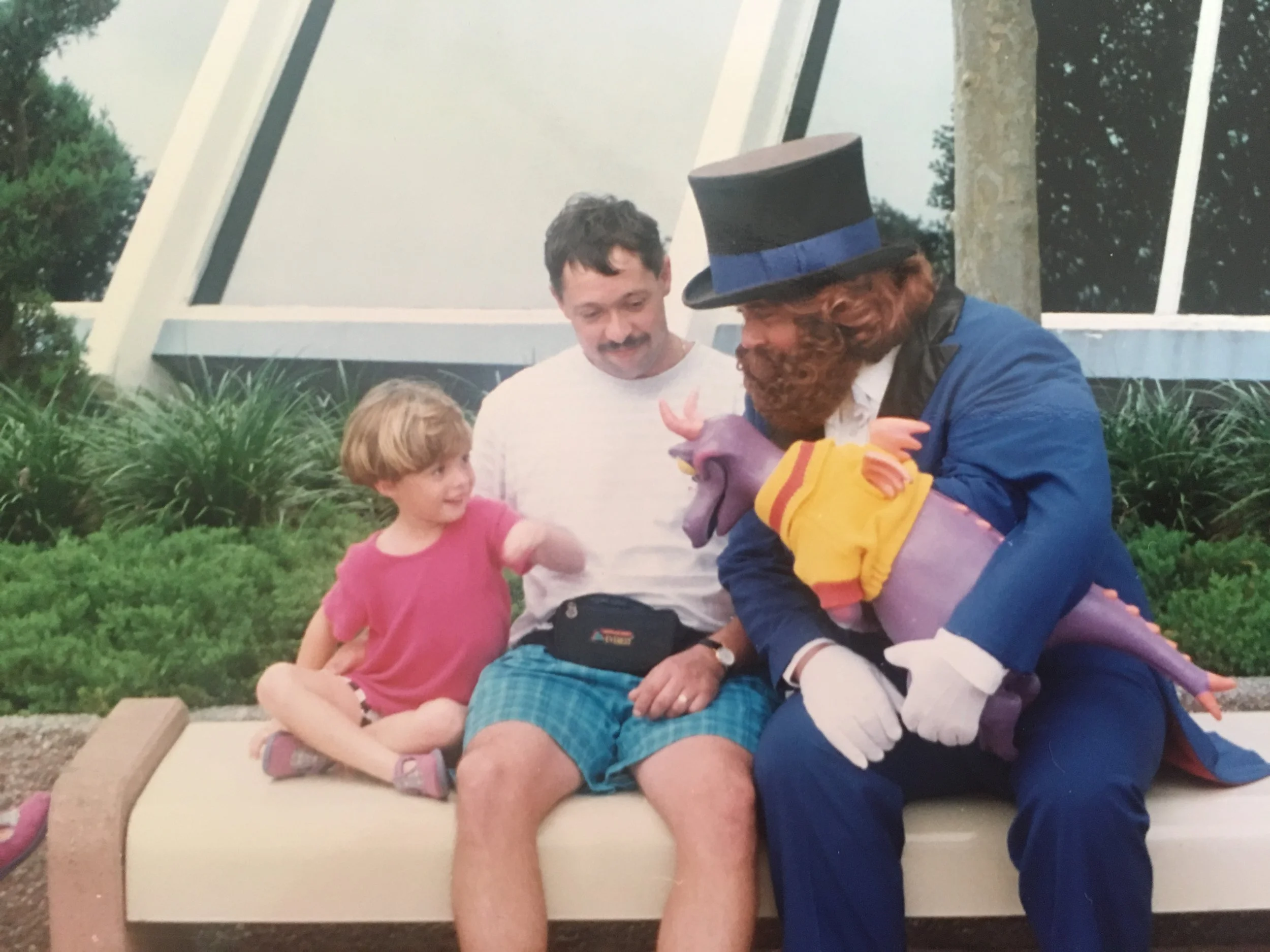
I’m an only child. My parents had been married for 36 years. The three of us were a little unit, always close. My dad and I had the kind of relationship people talk about in speeches — we spoke on the phone multiple times a day. He called me “baby girl.” He showed up for me, always, no matter what.
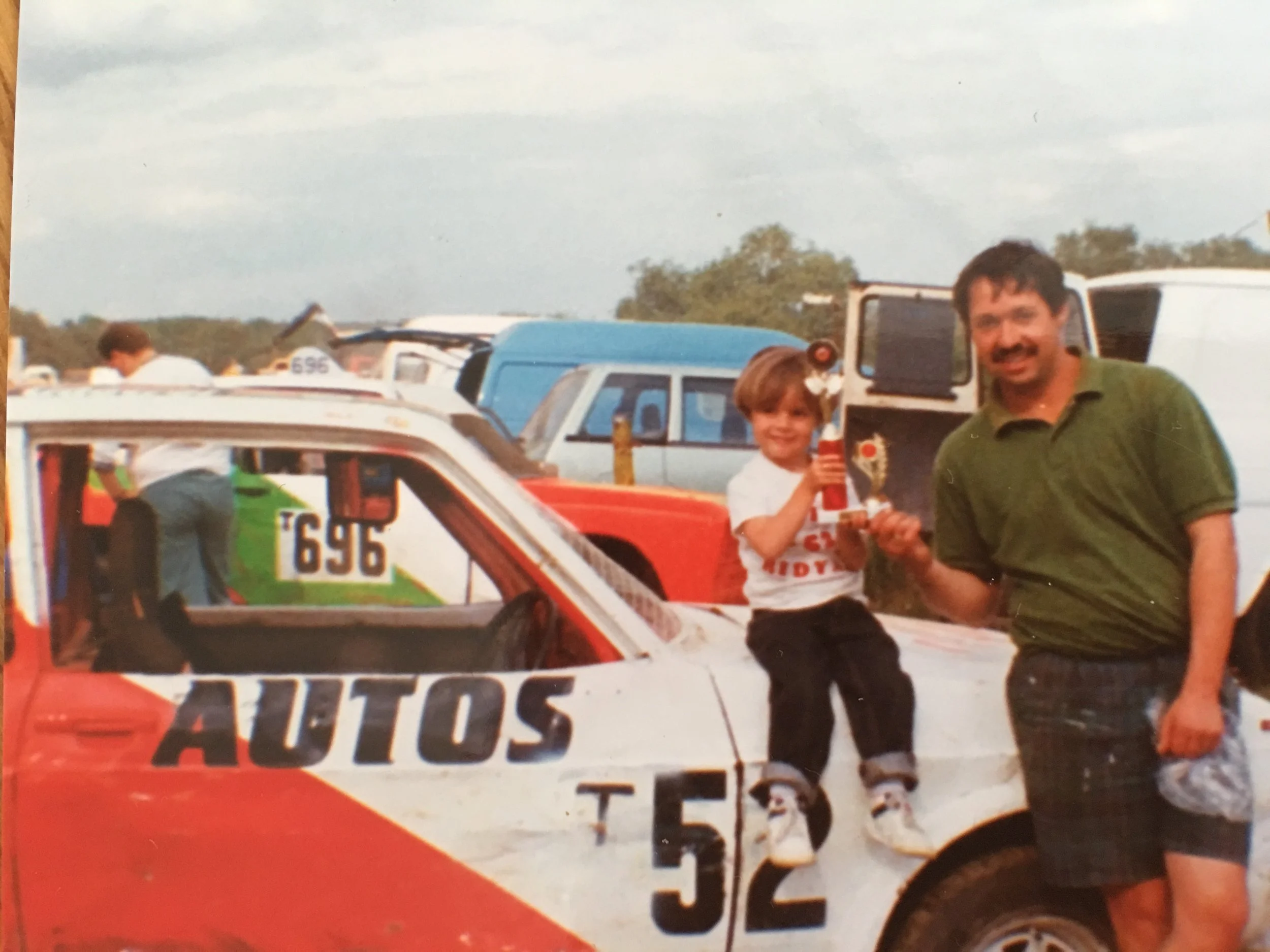
When he died, it wasn’t just grief I felt. It was disbelief. I couldn’t fathom that this was now real — that this was my life. Everything I thought I knew about the world suddenly felt fragile.
What I wasn’t prepared for — and what people rarely talk about — is how isolating it is to lose a parent in your twenties. Most of my peers still had both parents. They were planning weddings, climbing the career ladder, going out for drinks after work. Meanwhile, I was learning how to breathe again.
Grief made me feel like I was living in a different world — a slower, quieter one that no one else around me seemed to understand. And when I returned to work, nobody mentioned what had happened. Not because they didn’t care, but because they didn’t know how to talk about it. That silence? It was deafening.
I stopped bringing my dad up because it made people uncomfortable. I learned quickly that if you talk about your grief too much, people pull back. But what I really needed was space — to talk, to be messy, to be human.
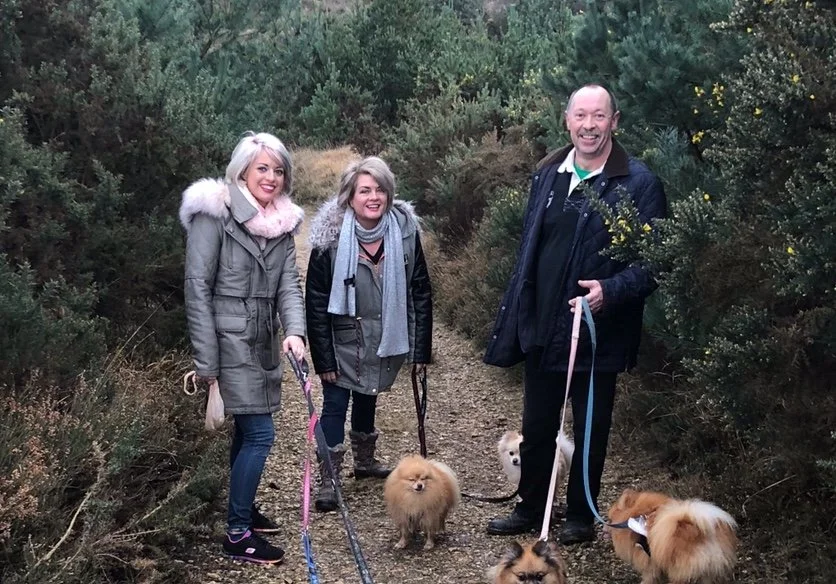
I now believe this with all my heart: if speaking about your loved one makes someone uncomfortable, they are not your people — at least not in this part of your life. That’s not necessarily their fault. Grief makes people nervous. But when you’re navigating the hardest thing you’ve ever faced, the people who disappear? That absence cuts even deeper.
Your people are out there. The ones who won’t try to fix it. The ones who will say their name, listen to your memories, and sit beside you when there are no words.
And to anyone who has ever been told to “get over it” — please know this:
That phrase is not okay. It’s cruel, careless, and untrue.
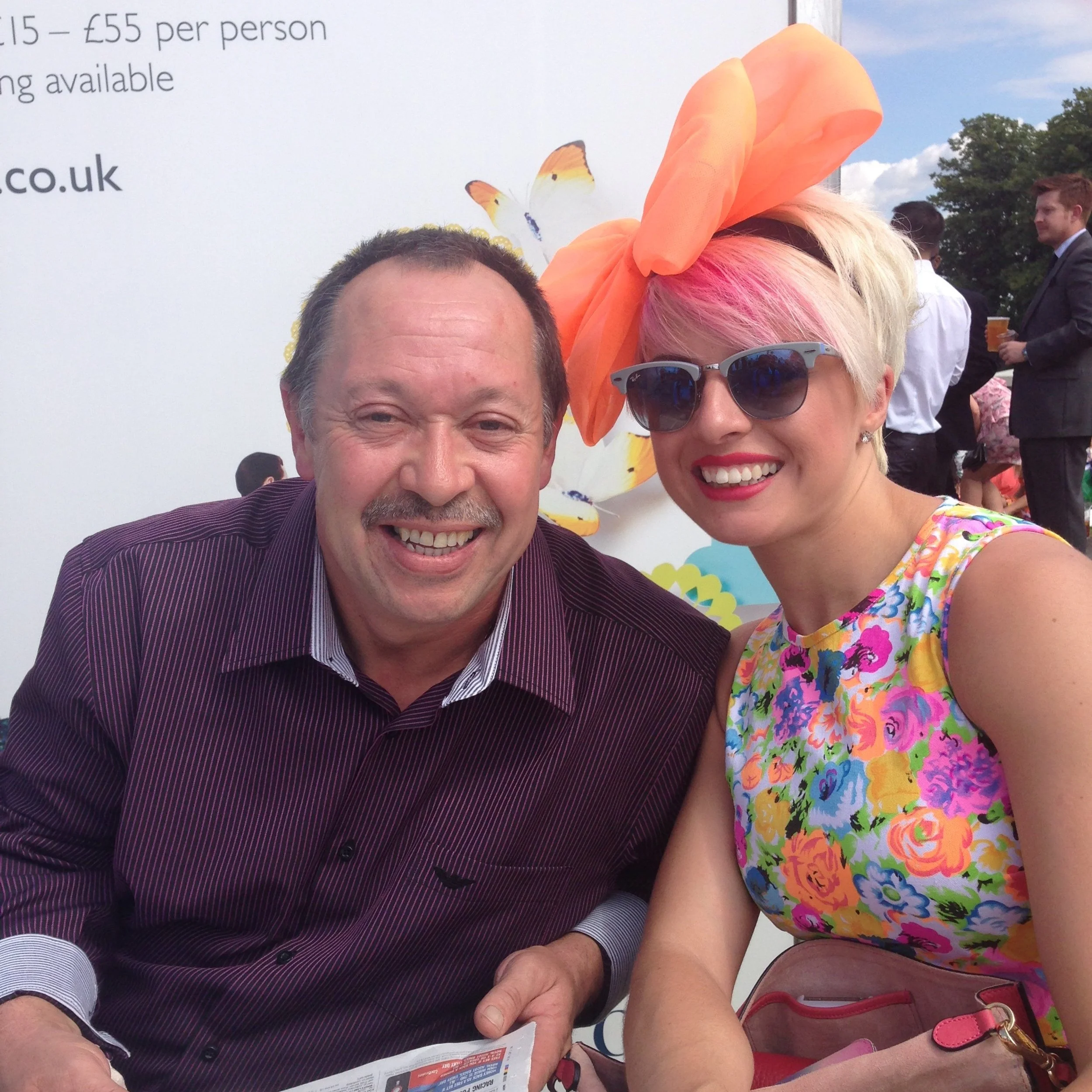
It’s been seven years since my dad died, and I will never get over it.
Grief doesn’t work like that.
You don’t get over someone who shaped your entire world.
Maybe the people who say those words are lucky — lucky not to know this kind of pain.
Or maybe they’re unlucky — unlucky never to have experienced a love or a bond so deep that losing it leaves a mark you carry forever.
Don’t ever let anyone diminish your grief.
It’s yours. It’s personal. It’s individual.
And you have every right to feel it — for as long as you need.
For me, grief changed everything. I quit my job in corporate fitness because suddenly, it just didn’t resonate. I opened a wellness business with my mum — something that helped us both heal by helping others.
Now I’m married. I’ve had a daughter. I’ve walked through so many milestones my dad should have been here for. And still, there are things I wish I’d said. So many moments I wish he could have seen.
Seven years on, the grief hasn’t disappeared. It’s quieter now, more woven into the fabric of my life. I carry it alongside love, joy, purpose. I carry him.
Because if grief has taught me anything, it’s that we don’t move on — we move forward with them beside us in a different way.
Dad, I’ll love you forever.