Niaomi’s story
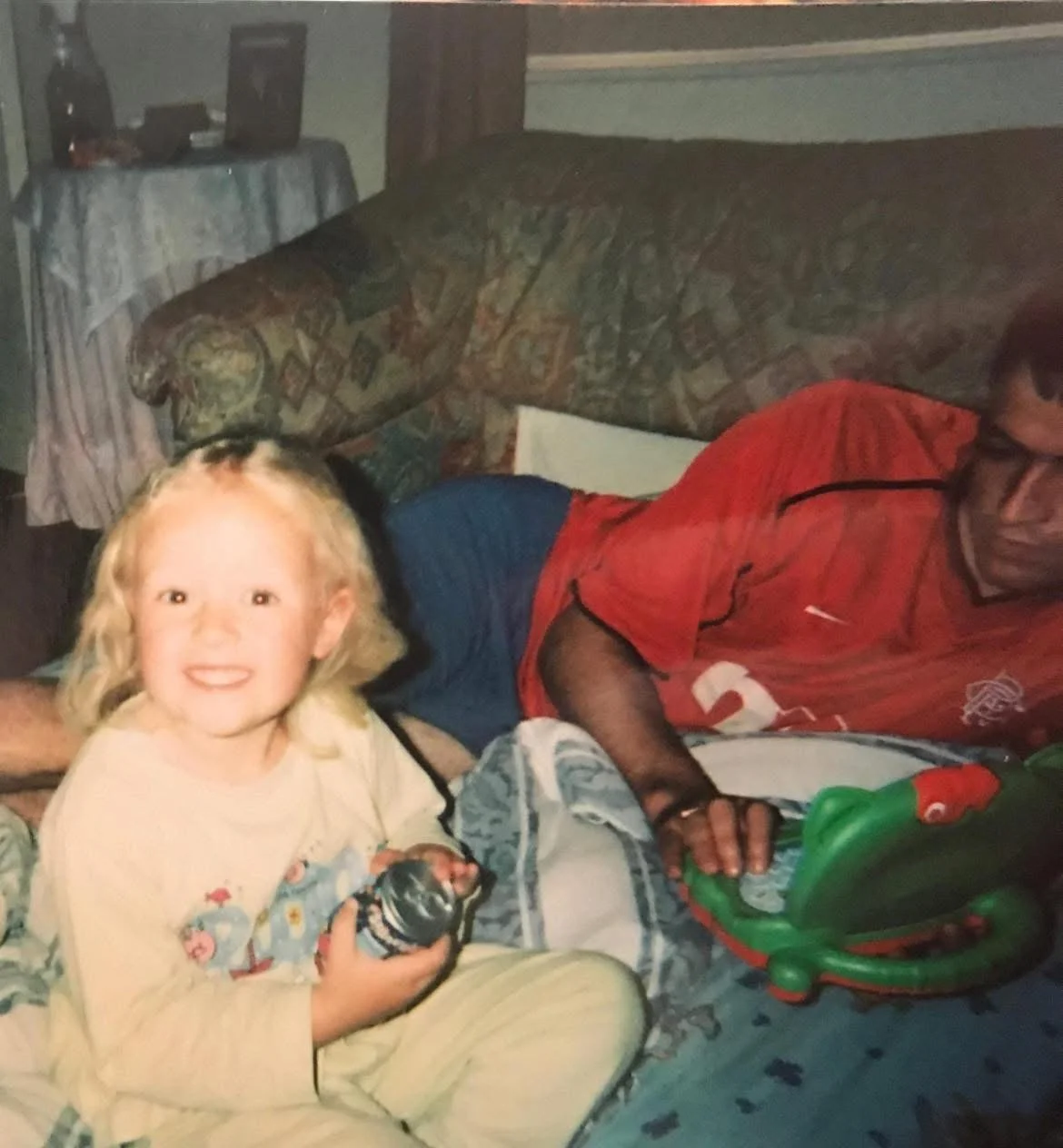
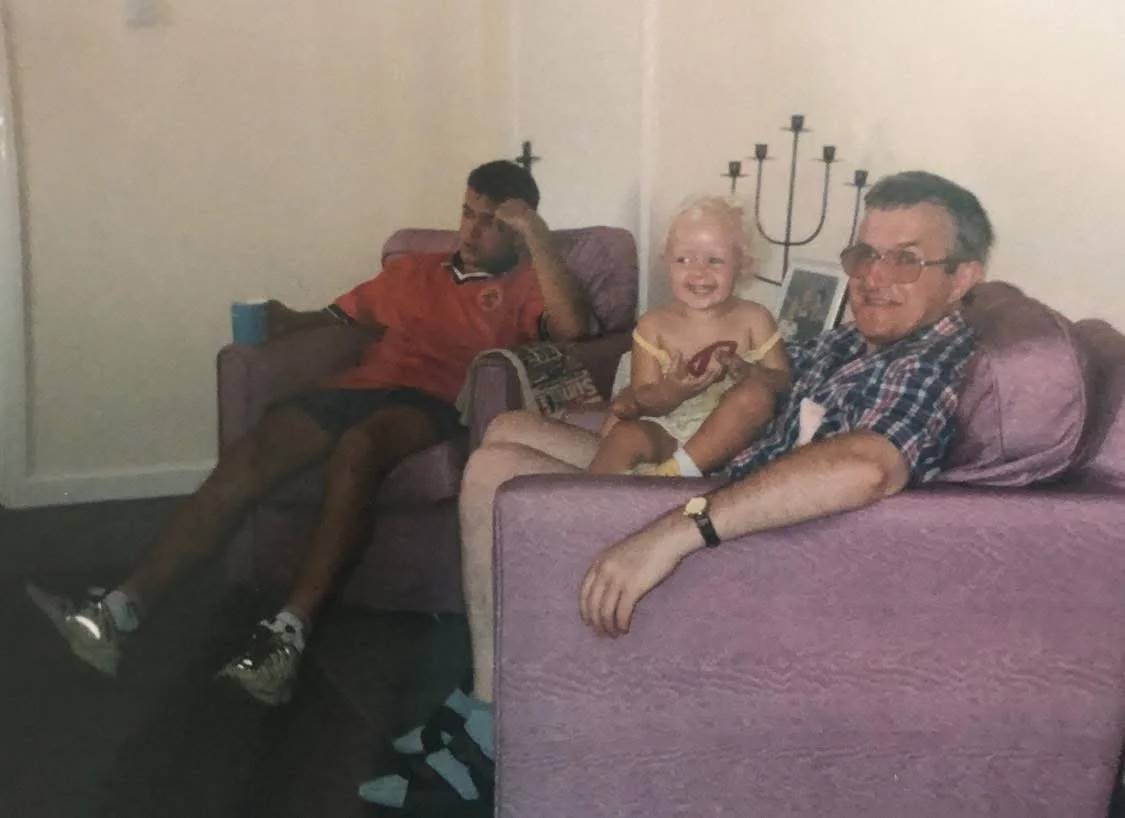
There’s a version of grief that looks composed. It stands up, reads something meaningful, counts the days, and tries to make sense of loss in neat, rounded numbers.
That’s the version of me that wrote a speech for my dad’s funeral.
At the time, it had been 19 days. Nineteen days of trying to understand how someone can be there one moment and gone the next. Nineteen days of saying words like “lifetime” without really knowing what that meant yet. I told myself I would focus on what we had. Those 9,865 days together. Not all perfect, not all easy, but ours.
And I meant it. I still do.
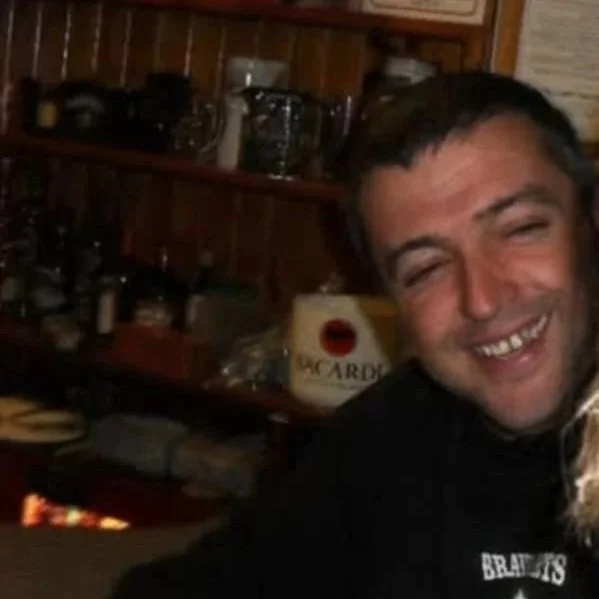
But grief doesn’t stay still in the way a speech does.
It changes shape. It settles into the quiet parts of your day. It shows up in moments you don’t expect and disappears when you think you’re supposed to feel it most. It takes something ordinary, like a missed phone call, and turns it into something you carry with you everywhere.
Because the truth is, I almost missed all of his calls.
That was our thing. He’d ring, I wouldn’t answer the first time, and he’d say, “Oh, so she does answer,” when I finally called him back. It was a running joke. Harmless.
Familiar. The kind of small, unremarkable habit that makes up real life.
I never thought twice about it.
There was always time to call him back.
Until there wasn’t.

My dad died in July 2025, three days after my 27th birthday. And the last call I would ever receive about him wasn’t from him at all, it was the call telling me that he was going to die, and that there was nothing they could do to save his life.
There’s an irony in that which doesn’t feel poetic or meaningful. It just feels heavy. All those missed calls that never mattered, all those “I’ll phone him later” moments, and the one call that changed everything was the one I couldn’t do anything about.
It’s easy to let your mind go there. To replay things. To wonder if you should have answered more, called sooner, said more. Grief has a way of quietly rewriting the past, making ordinary moments feel like they held more weight than they ever could have at the time.
But when I really think about it, properly think about it, the missed calls aren’t the story of us.
The story is that he always called.
He always showed up.
He was always there, on the other end of the phone, in the same steady, consistent way he was there in every other part of my life. He didn’t need big words or grand gestures. He just was.
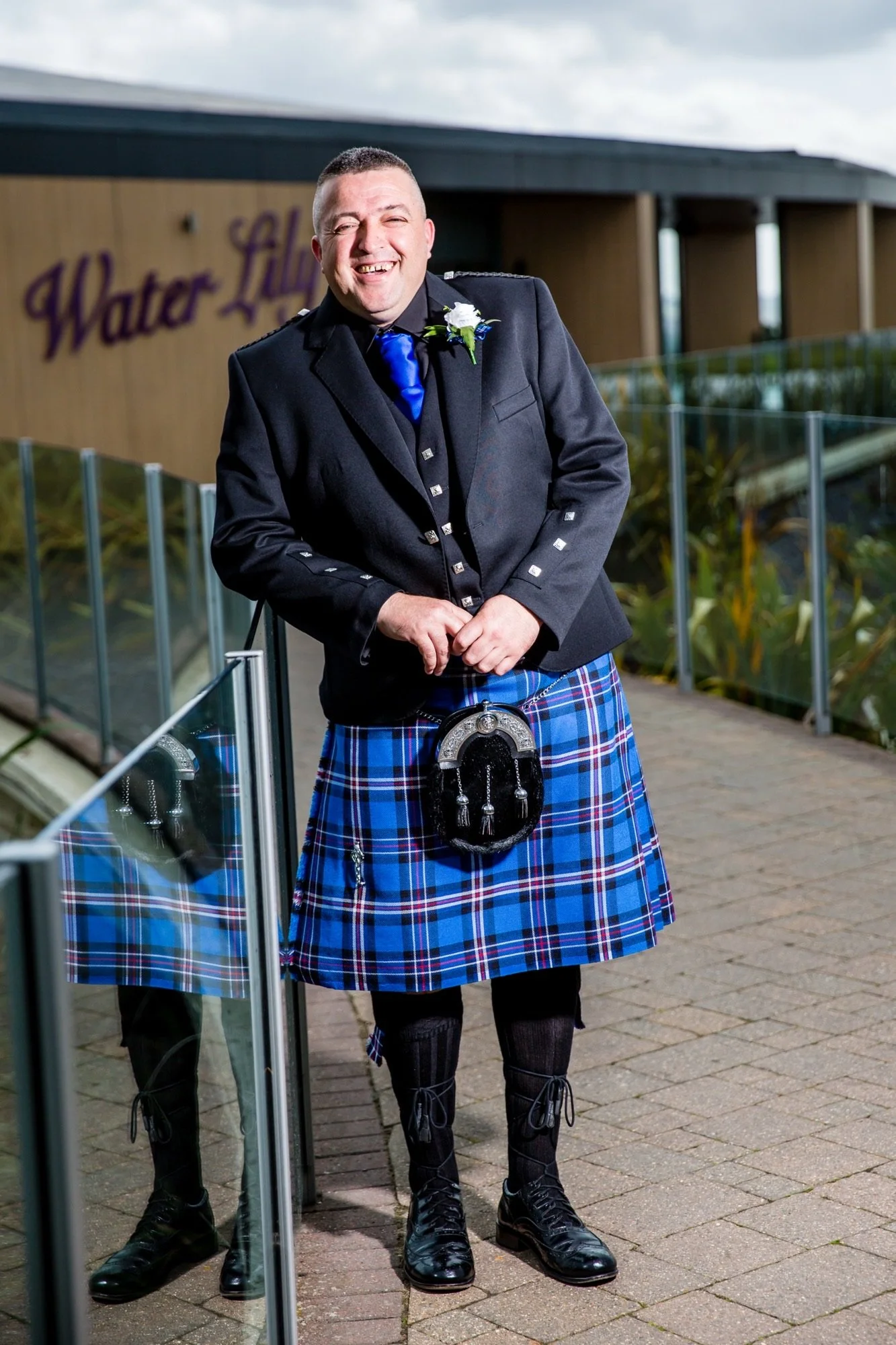
A quiet soul, a man of few words but the kind of person who says everything through what he does.
He worked hard. He never complained. He treated people with a kindness that didn’t need recognition. He celebrated my wins like they were his own, told me he was proud of me in a way that made me believe it every single time.
And I was proud of him too.
I still am.
Losing him at 27 feels too soon. Losing him at 48 feels unfair in a way I don’t know how to soften. There’s no version of this where it feels like enough time. No amount of perspective that suddenly makes it make sense.
And I keep everything.
I keep the phrases he repeated so often they’ve become part of my inner voice. I keep the way he showed up, the way he made things feel steady, the way he turned ordinary moments into something safe and familiar. I keep the pride he had in me, and I carry it forward in the way I try to live my life now.
Even the missed calls, I’m learning - or at the very least trying - to hold those differently too.
Not as something to regret, but as proof of something constant. Proof that he was always reaching out. Always there. Always just a phone call away, even when I didn’t pick up straight away.
Because that’s the thing about love like that, it doesn’t disappear just because the person does.
It changes form. It becomes something quieter, something you have to look for. It shows up in memories, in habits, in the way you speak and think and move through the world.
It shows up in the smallest things.
And maybe that’s why those 9,865 days still matter so much to me. Not because they make the loss feel smaller, but because they remind me how much there is to hold onto.
Twenty-seven years and three days will never feel like enough. But it was a lifetime of being his.
And that’s something grief can’t take away.
Forever 48.
Forever his little girl.
Forever my dad.