
Grief and Identity - Lea’s story
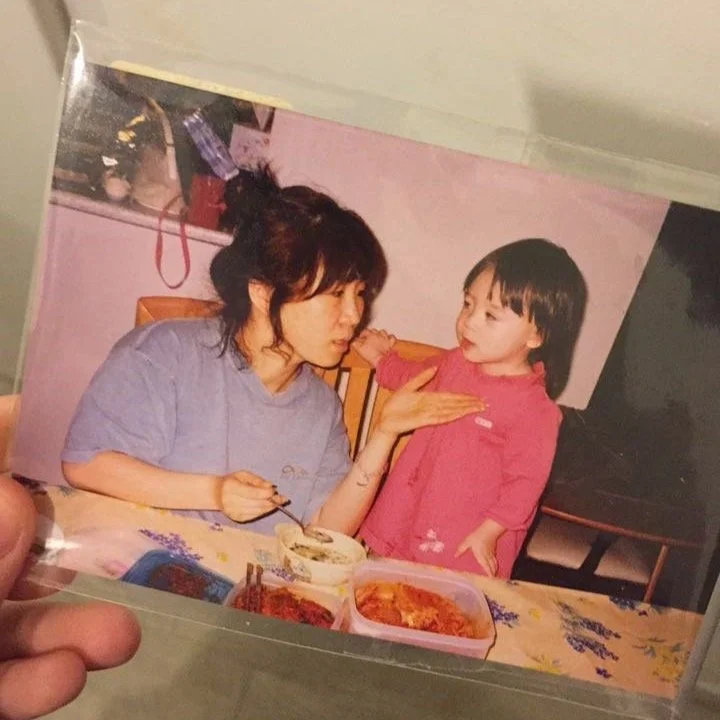
I lost half of my racial identity when my mother died.
My mum was from South Korea, and made a conscious effort to keep me in touch with my roots even as we moved across the world. From Korean school on the weekends to exclusively eating Korean food and speaking the language at home, she made sure I was as connected to my culture as I can be.
Once I moved away for uni, instead of finding myself making endless bowls of pesto pasta, I found myself reaching for kimchi stew, ramen and dumplings. Clearly, she had done her job right.
My Korean identity has always been heavily dependent on my mother. When I was in Korea with her, things just clicked, they made sense. People assumed I was a mixed race child with her mother, and I fit in.
But now that she is gone, I’m just a foreigner.
It’s hard when your cultural and racial identity depends so much on one person, because once that person disappears, it feels like the link to your roots are gone with them.
Sometimes, I speak Korean out loud to myself, to ensure I don’t forget the language, since there is no one else to speak it with. Familiar recipes that brought me so much comfort as a child are hard to recreate, now that the foreign ingredients she collected over years of visits to Korea are gone. Even looking in the mirror can be painful; I look a different race to her and do not feel the comfort of seeing her in my features.
But, my identity is something nobody can take away from me. I dance like her, smile like her, laugh like her. My Korean cooking may not be the most authentic or accurate, but it will never stop bringing the comfort of home, she taught me it. My Korean may be a bit rusty, but I will never forget it, it’s our language.
This is a lesson I am still learning, but her death was not the death of my identity. I am, and always will be my mother’s daughter.